
Key Takeaways
- Walking around your rig before every shift is the single cheapest way to catch problems that could sideline you or cause a crash on the highway.
- Brakes, tires, and lights account for the majority of roadside violations and failures, so give them extra attention during every walkaround.
- A written or digital record protects drivers legally and creates a paper trail that proves due diligence after any incident.
- Small issues like loose lug nuts, worn wiper blades, or low fluid levels can snowball into expensive breakdowns if ignored for even a few days.
- Fleet operations that build inspection into daily routine see fewer roadside out-of-service orders and lower repair bills over time.
- Knowing when to fix something yourself versus calling a mechanic saves money without compromising safety.
- Consistency matters more than speed — rushing through the walkaround defeats the entire purpose of doing one.
Every morning, thousands of drivers climb into their cabs, turn the key, and roll out without really looking at the machine they’re trusting with their life. Most of the time nothing bad happens. But the day something does go wrong — a brake line leaks, a tire belt separates, a trailer light burns out right before a weigh station — that’s when the five minutes you skipped suddenly feel like the most expensive five minutes of your career.
The walkaround isn’t just a legal box to check. It’s the moment where you, the person behind the wheel, get a real sense of whether this truck is actually ready to haul freight down the interstate. Mechanics can tune it, dispatchers can plan the route, but you’re the last set of eyes before it enters traffic. That responsibility is huge, and it’s also completely manageable once you have a system.
This guide walks through the most common problems drivers run into, the root causes behind them, and practical solutions you can start using tomorrow morning. No fluff, no filler — just the stuff that actually keeps you safe, legal, and moving.
Why So Many Drivers Skip the Walkaround
The number one problem isn’t that drivers don’t know how to inspect a truck. It’s that they convince themselves they don’t have time. A dispatcher is pushing for an early departure, traffic is already building up, and the weather is miserable. Skipping the inspection feels like saving fifteen minutes. In reality, it’s borrowing against your future in a very bad way.
According to the FMCSA, thorough pre-trip inspections prevent roughly 14,000 crashes every year. That number should stop anyone cold. Every one of those prevented crashes started with a driver who took the time to look at their equipment before moving. The solution here is mindset, not technique. Treat the walkaround as non-negotiable, the same way you treat putting on a seatbelt. Build it into your start-of-shift routine so it happens automatically, not when you remember.
One trick that works for a lot of drivers is tying the inspection to another habit you already do — your first coffee, your logbook update, or your morning radio check. Habits stack. Once the walkaround is wedged in there, skipping it starts to feel wrong.
Brakes: The Problem That Puts Most Trucks Out of Service
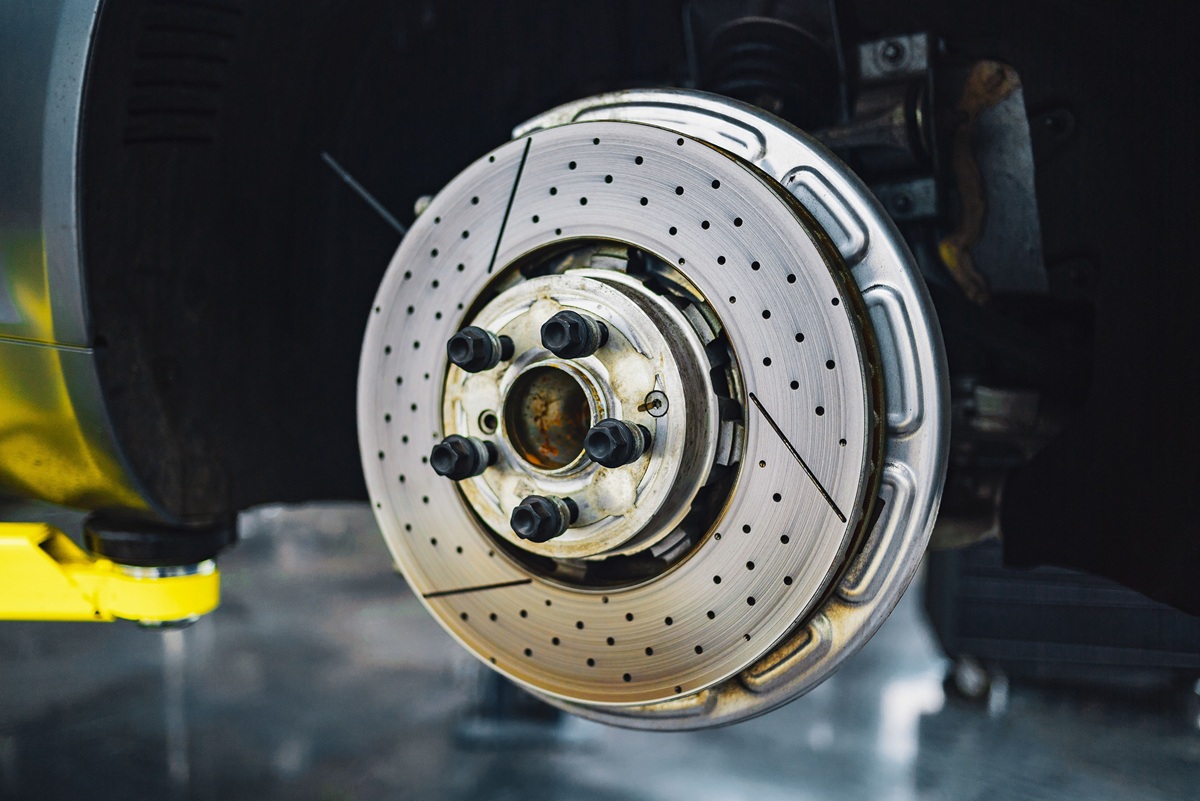
If there is one system that deserves obsessive attention, it’s the braking system. Problems here don’t just cost you a repair bill — they cost lives. Air leaks, worn pads, cracked drums, and misadjusted slack adjusters are the quiet killers of commercial trucks, and they rarely announce themselves until it’s too late.
The data backs this up hard. According to the Rush Truck Centers analysis of CVSA International Roadcheck 2024 results, defective service brakes accounted for a quarter of all out-of-service violations found during the inspection blitz. That’s one in every four trucks pulled off the road. And in a separate Large Truck Crash Causation Study, the FMCSA found brake problems on nearly a third of the 407 large trucks inspected as part of the research.
Here’s what to check every single morning before you move:
- Air pressure buildup time and governor cutout
- Visible leaks around air lines, chambers, and fittings
- Slack adjuster travel — anything over an inch of free play is a red flag
- Brake shoe and drum condition for cracks, grease, or excessive wear
- Parking brake function with a gentle tug-test in low gear
- Warning buzzer and low-air alarm operation
How to Spot a Slow Air Leak
Slow leaks are sneaky because they don’t trigger alarms right away. After you’ve built pressure, shut the engine off, release the parking brake, and listen. A pressure drop of more than three pounds per minute on a single vehicle (or four on a combination) means something is wrong. If you hear hissing but can’t find the source, spray soapy water on fittings and watch for bubbles. Catching this in the yard beats discovering it on a downhill grade.
Tires and Wheels: Small Details, Big Consequences
Tire blowouts are terrifying, expensive, and almost always preventable. The problem is that most tire failures start as something minor — a nail, low pressure, uneven wear — that a thirty-second visual check would have caught days earlier. Drivers get in trouble when they only notice tires after something sounds wrong.
Proper tire inspection means more than kicking the sidewall. You want to actually look at tread depth, sidewall condition, valve stems, and the hubs behind the wheels. A loose lug nut leaves a rust trail you can see. A failing hub leaks grease onto the inside of the rim. These visual clues are gifts — they tell you a problem exists before it becomes a catastrophe.
Pay attention to these during every walkaround:
- Tread depth using a gauge, not eyeballing it
- Sidewall cuts, bulges, or exposed cord
- Valve stem condition and cap presence
- Lug nut tightness and rust streaks around studs
- Wheel seal leaks and hub temperature after driving
- Matching pressure across dual tires
Lights, Reflectors, and Electrical Gremlins
Nothing gets a driver pulled over faster than a burned-out marker light or a non-functioning brake lamp. These are the easiest violations to fix and the easiest ones to catch, yet they consistently show up on inspection reports because drivers rush through the visual check or do it at night when everything looks fine from the cab.
The solution is a systematic sweep every morning in daylight if possible. Walk the perimeter with all lights on, including the four-way flashers, then switch and verify brake lights with help from a coworker or a reflection off a building. Trailer connections are where most electrical problems hide — corroded pins in the seven-way plug cause intermittent failures that are maddening to diagnose on the road.
Keep spare bulbs, fuses, and fuse pullers in the cab. A dollar in parts and two minutes of work beats a three-figure ticket every time.
What Belongs on a Comprehensive Walkaround List
This is where a lot of drivers trip up — they know they should inspect the truck, but they don’t have a repeatable sequence, so they end up checking the same obvious stuff and missing the rest. A proper daily pre trip inspection checklist covers the engine compartment, cab interior, exterior lights, coupling system, trailer, and cargo securement in a consistent order that you follow the same way every time.
The value of the written list is twofold. First, it keeps you from forgetting items when you’re tired or distracted. Second, it creates documentation. If something goes wrong on the road, having a signed inspection record proves you did your due diligence. That paperwork protects your license and your employer’s operating authority.
Building a Sequence That Sticks
Most experienced drivers work in a circle — start at the driver’s door, move to the front, down the passenger side, around the trailer, and back. Within each zone, check from top to bottom so you don’t miss anything overhead. Consistent sequence turns into muscle memory, and muscle memory is what keeps you thorough even when you’re exhausted at 4 a.m.
Fluids, Belts, and Under-the-Hood Problems
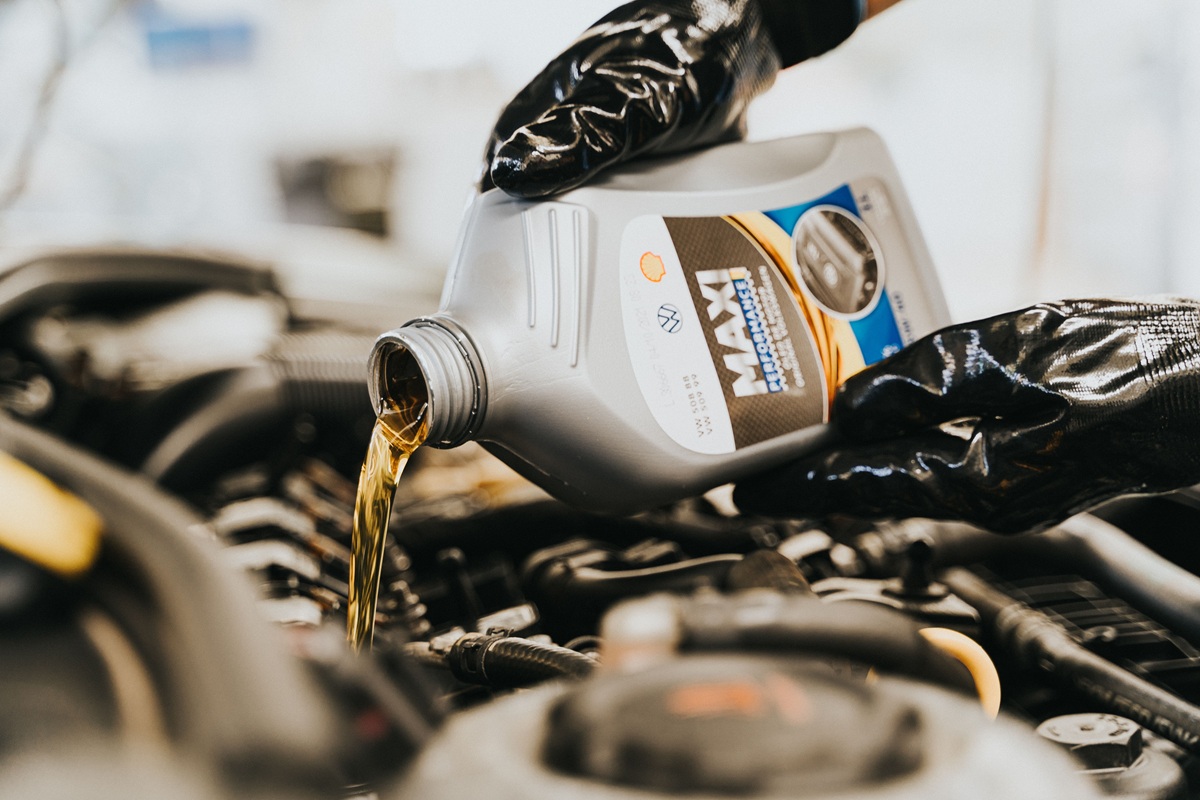
Opening the hood intimidates some drivers, especially those new to the industry. It shouldn’t. You don’t need to be a mechanic to spot obvious trouble — puddles under the engine, cracked belts, frayed hoses, low coolant in the overflow tank, or a dipstick reading well below the full mark. These are the early warning signs that proper truck maintenance catches before they become breakdown-on-the-shoulder situations.
Make these checks part of your routine:
- Engine oil level and color
- Coolant level in the overflow reservoir
- Power steering and windshield washer fluid
- Belt condition — look for cracks, glazing, or missing chunks
- Hose firmness and clamp tightness
- Signs of fresh leaks on the ground or frame rails
Fluid levels change gradually, so comparing today’s reading to yesterday’s is more useful than any single measurement. A quart low one morning might be normal. A quart low every single morning for a week means something is leaking or burning, and you need to find out which before the engine tells you the hard way.
When to Hand It Off to a Shop
Knowing your limits matters. Topping off washer fluid is one thing; chasing a coolant leak back to a cracked head is another. If you spot oil weeping from a gasket, hear a new belt squeal that won’t go away, or see metal flakes in the oil on the dipstick, those are signs of truck repairs that require a professional rather than a parking-lot fix. Writing the issue up in your inspection report and letting a qualified technician handle it protects you from making a small problem into a catastrophic one.
Coupling and Trailer: Where Rigs Come Apart
The fifth wheel, kingpin, and safety components get less attention than they deserve because they usually just work. But when a coupling fails, trailers end up on their side in the median and drivers end up in court. Every walkaround needs a close look at the jaws, the locking mechanism, the release handle position, and the gap between the trailer and the tractor.
Crawl under far enough to actually see the jaws closed around the kingpin. A visual confirmation beats a tug test every time, because a trailer can pass a tug test with a damaged locking mechanism and still drop in transit. Check the landing gear is fully retracted and the crank handle is secured. Look at the glad hands and electrical plug for cracks, worn seals, and proper seating.
Items that belong in your coupling check:
- Fifth wheel jaw closure verified visually
- Release handle in the locked position
- No visible gap between upper and lower fifth wheel plates
- Safety latches on glad hands engaged
- Trailer brakes hold when tractor protection valve is pulled
- Mud flaps intact and properly mounted
Cab Interior and Documentation
The inside of the cab gets overlooked because drivers assume if it was fine yesterday, it’s fine today. Then the defroster quits during the first cold snap, or the horn fails the morning a pedestrian steps out, and suddenly those forgotten details matter. Test the horn, wipers, washers, defroster, heater, mirrors, and seatbelt every morning. None of it takes more than a minute combined.
Documentation lives in the cab too. Your registration, insurance card, medical certificate, logbook or ELD, and previous inspection reports should all be accessible. In some regions, your records may need to show you’ve kept up with Memphis emissions inspections or similar local requirements, and having that paperwork handy saves you from arguing with an officer at the roadside. Check expiration dates monthly so you’re never caught with a lapsed credential.
Mirrors and Visibility
Adjust mirrors before you move, not after. Clean the windshield inside and out — interior film from vinyl off-gassing cuts night visibility more than most drivers realize. Replace wiper blades the moment they start streaking rather than waiting for the next rainstorm to remind you.
Cargo Securement: The Load Will Shift If You Let It
Securement failures cause some of the ugliest crashes on the road. Straps loosen as loads settle, chains bounce free on rough pavement, and tarps rip when they’re not tensioned properly. The walkaround doesn’t end when you climb back in the cab — it continues at the first safe pull-off within fifty miles, where you should stop and recheck every strap, chain, and binder.
Before you leave the yard, confirm:
- Working load limits of straps and chains match the cargo weight
- Edge protection where straps cross sharp corners
- Minimum number of tiedowns for the load length
- Dunnage and blocking in place to prevent shifting
- Tarps secured without flapping edges
- Rear doors latched and sealed if applicable
A load that was tight at the shipper almost always needs retensioning once the truck has rolled a few miles. Build that stop into your trip plan, not as an afterthought.
Building a Digital Record That Protects You
Paper inspection forms still work, but digital systems have real advantages. Timestamped entries, photo attachments, and automatic routing to the shop mean defects get addressed faster and documentation can’t be lost or backdated. If your carrier offers a tablet-based inspection app, learn it well. If you’re an owner-operator, there are affordable apps that do the same thing.
The legal protection a good record provides is hard to overstate. After any incident, the first thing investigators want to see is your most recent inspection report. A thorough, honest entry showing you noted a minor defect and reported it to the shop puts you in a completely different position than a blank form or a boilerplate “no defects” check-off that nobody believes.
Photograph anything unusual. Wet spots under the engine, questionable tire wear, cracked lenses — a timestamped photo in your inspection app creates evidence that something existed before you drove, which matters enormously if a defect is later blamed on you.
Wrapping It Up
The walkaround is a habit, not a chore. Drivers who treat it like a chore rush through it and miss things. Drivers who treat it like a habit — part of the rhythm of starting a shift, as automatic as buckling a seatbelt — catch the small problems that would otherwise snowball into breakdowns, violations, or crashes. The difference between those two mindsets is the difference between a long, boring career and a short, dramatic one.
Nothing in this guide is complicated. Brakes, tires, lights, fluids, coupling, cargo — these are the same systems drivers have been checking for decades, because these are the systems that fail and cause real harm when they’re ignored. What’s changed is the tools available to document the work and the data showing exactly how much damage skipped inspections cause. Use both. Build your routine, stick to it, write it down, and don’t let anyone — dispatcher, shipper, or your own impatience — talk you out of it.
The five minutes you spend walking around your rig tomorrow morning might be the most valuable five minutes of your day. They might also be the five minutes that save your license, your truck, or your life. Either way, they’re worth it.