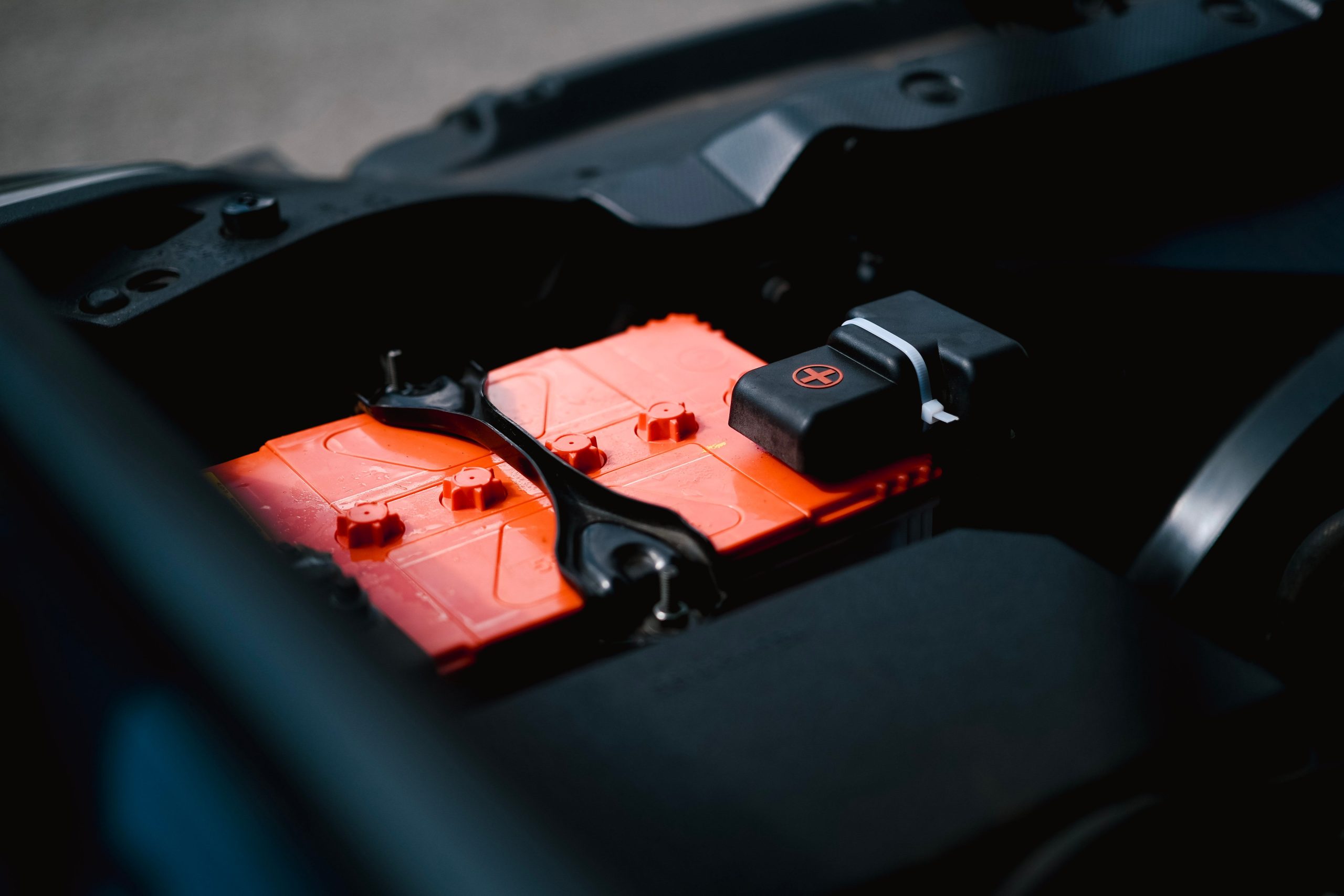
Few things rattle a driver more than turning the key and hearing nothing but a weak click. One moment your car is a reliable extension of your day, and the next it’s a 3,000-pound paperweight blocking your morning. The culprit, more often than not, is sitting right under the hood: a battery that gave up without much warning.
The strange thing about car batteries is that they rarely die dramatically. They fade. They weaken over months and seasons, losing a little capacity with every hot afternoon and every frigid morning. Most drivers only notice when it’s already too late, which is why understanding the science behind battery life matters so much.
This guide walks through what actually happens inside your battery as it ages, how to read the warning signs, and when to swap it out before it strands you. The goal isn’t to scare you into premature replacement. It’s to help you make smart, informed decisions based on how these components actually behave.
What Really Happens Inside a Car Battery
A standard lead-acid car battery is essentially a controlled chemical reaction in a plastic box. Inside are lead plates submerged in sulfuric acid electrolyte. When you turn the key, that chemistry produces a brief, powerful jolt of electricity to crank the starter motor. When the engine runs, the alternator reverses the process and recharges the battery.
That constant cycle of discharge and recharge is what slowly wears a battery down. Each time it discharges, tiny lead sulfate crystals form on the plates. Most of them dissolve back during charging, but over time some become permanent. This process, called sulfation, reduces the surface area available for the chemical reaction and gradually chokes the battery’s ability to hold a full charge.
Heat accelerates all of this. Cold weather gets blamed for battery failure because that’s when weakened batteries finally quit, but summer heat is actually what damages them most. High temperatures evaporate electrolyte and speed up internal corrosion. By the time January rolls around, the damage done in July is finally showing up.
How Long Should Your Battery Actually Last?
The honest answer is that it depends on the battery type, your climate, and your driving habits. There is no universal expiration date, but there are solid industry benchmarks you can plan around.
According to Battery Council International, standard car batteries typically last three to five years while AGM (Absorbent Glass Mat) batteries generally stretch to four to seven years. AGM batteries use a fiberglass mat to hold the electrolyte in place, which makes them more resistant to vibration and deep discharge cycles. They cost more upfront, but for drivers in extreme climates or vehicles with heavy electrical demands, that extra longevity often pays off.
Driving patterns matter too. Short trips are brutal on batteries because the alternator never gets enough time to fully recharge what the starter used. If your daily commute is just a few minutes each way, your battery is probably living in a chronic state of partial charge, which accelerates sulfation.
Why Hot Climates Shorten Battery Life
In regions like Arizona, Texas, or Florida, batteries often fail well before the five-year mark. Under-hood temperatures can climb past 200 degrees Fahrenheit in summer. That heat drives water out of the electrolyte, warps internal plates, and speeds up corrosion at the terminals. Drivers in these areas should expect to replace batteries closer to the three-year end of the range and test them annually once they pass the two-year mark.
Warning Signs That Replacement Is Near
Your battery usually gives you a few quiet hints before it dies outright. The problem is that most people miss them or dismiss them as quirks of an aging car, cold weather, or a fluke morning. Paying attention to these early signals is the difference between a planned replacement in your driveway and a tow truck in a grocery store parking lot. Treat your battery like any other wear item: it degrades gradually, and the warning window is usually there if you know what to look for.
Here are the warning signs worth taking seriously:
- Slow or labored engine cranking, especially on cold mornings when the oil is thick and the battery has to work harder just to turn the starter
- Headlights that noticeably dim when the car is idling, then brighten when you rev the engine, which suggests the battery isn’t holding voltage under load
- Dashboard battery or check-engine light flickering on, even intermittently, since modern vehicles monitor charging system health closely
- A swollen or bulging battery case, often caused by heat damage, overcharging, or a failing voltage regulator
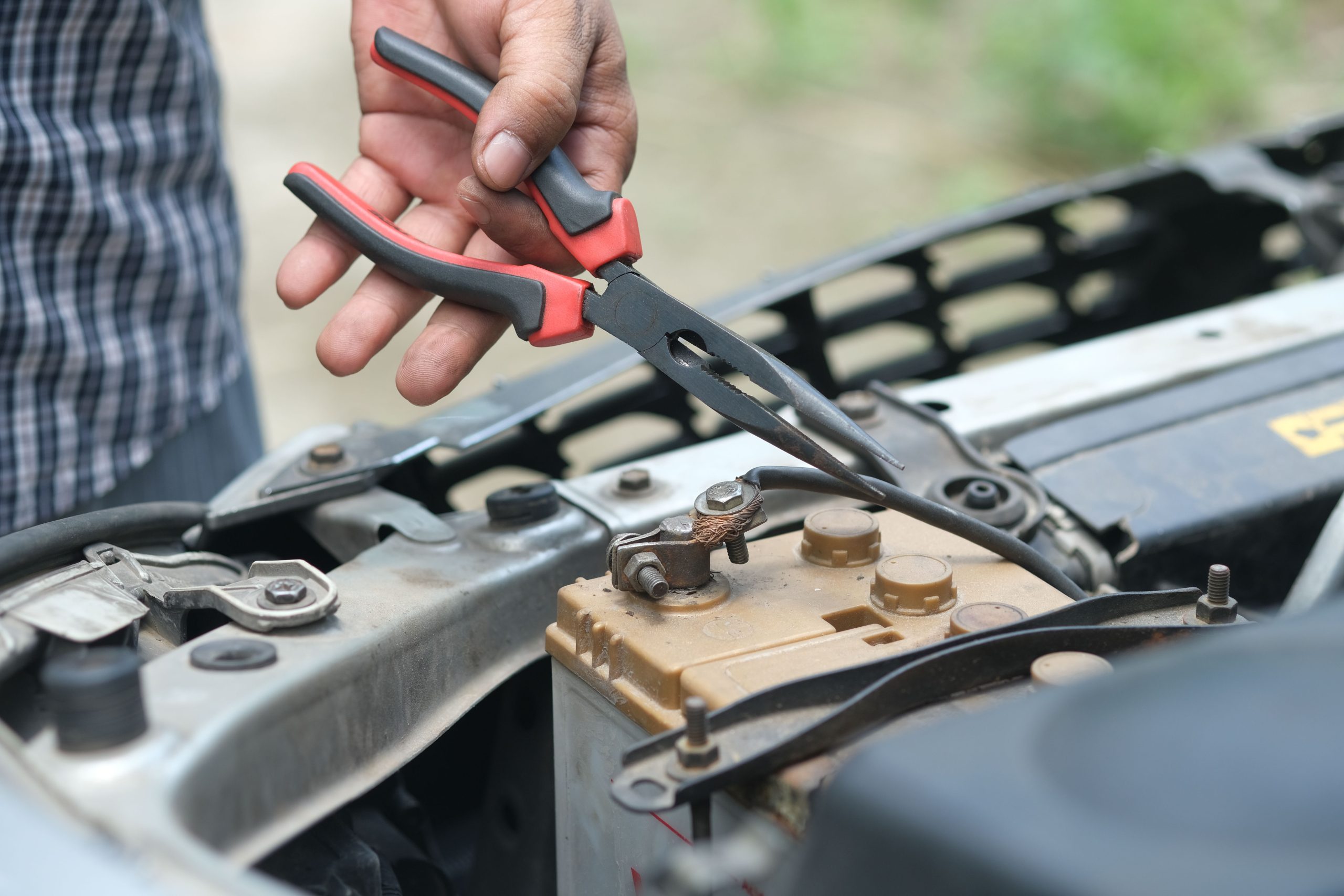
- Corrosion buildup on the terminals that keeps coming back within weeks of cleaning, which can indicate internal venting or a bad seal
- Electrical accessories behaving oddly, like power windows moving slowly, radio presets resetting, or the clock losing time overnight
- A rotten-egg smell near the hood, which signals sulfuric acid leakage from an overheating or overcharged battery
- Needing a jump start more than once in a short period, even if the car eventually starts on its own
A single symptom doesn’t always mean the battery is done. Corroded terminals can sometimes be cleaned with a wire brush and a baking soda solution, and a weak charge might just mean the alternator is underperforming or a parasitic draw is pulling current overnight. A loose ground strap or a dirty connection can mimic a dying battery almost perfectly. But when two or more of these show up together, it’s time for a proper load test at a trusted auto repair shop, where a technician can measure cold cranking amps against the battery’s rated spec and confirm whether the cells are truly failing.
Building battery checks into your daily pre trip inspection checklist — a quick look under the hood for corrosion, a listen to how the engine cranks, and a glance at the dash lights — can catch most of these red flags long before they strand you. Thirty seconds of attention in the morning beats an hour on the shoulder waiting for roadside assistance.
The Breakdown Statistics Nobody Talks About
If you think battery failure is a minor inconvenience, consider how often it strands drivers. According to ADAC data referenced by Battery University, 40 percent of all roadside automotive failures are battery-related, a figure that highlights just how dominant this single component is in breakdown statistics.
More recent figures tell an even starker story. VARTA Automotive reports that current ADAC statistics show roughly 43 percent of car breakdowns are caused by batteries. That number has actually crept upward over the years, partly because modern vehicles put far more electrical load on their batteries. Infotainment systems, heated seats, lane-keeping cameras, and start-stop technology all draw power even when the engine is off.
What this means for you is simple. Battery health is not a minor maintenance item you can ignore until something breaks. It is statistically the most likely reason you will find yourself stuck on the side of the road. Treating it as a priority during routine service visits saves money, time, and frustration.
Building Battery Checks Into Your Routine
The best way to avoid surprise failures is to make battery inspection part of your regular vehicle care habits. Professional drivers already do this as a matter of course. According to a professional guide published by the Arizona Transit Association, commercial pre-trip inspection routines cover the battery alongside oil, coolant, washer and brake fluids, transmission fluid, power-steering fluid, and belts and hoses.
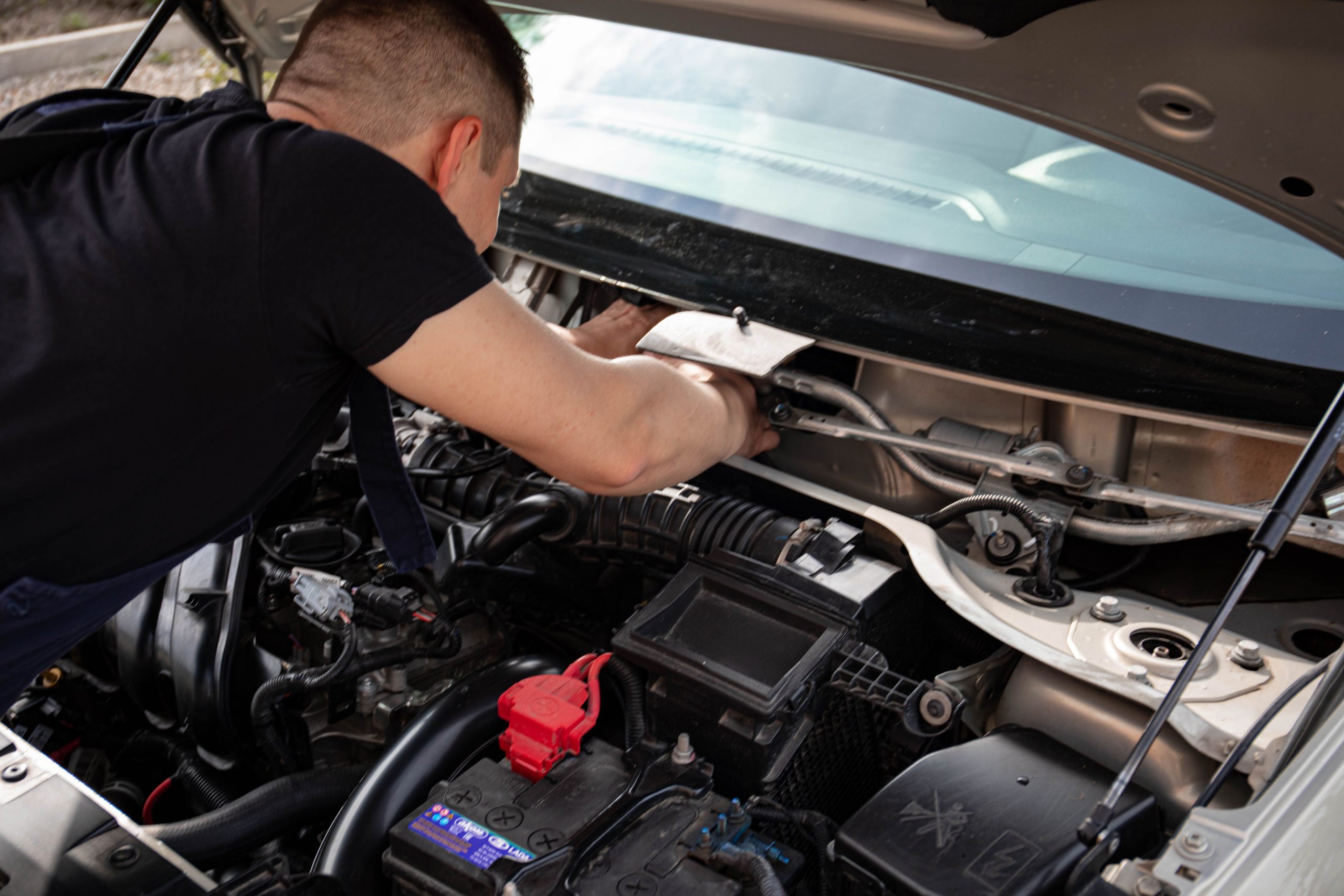
Everyday drivers can borrow that same discipline without the clipboard. A quick monthly glance under the hood takes two minutes and catches most problems before they escalate. Look for corrosion, check that terminals are tight, and listen to how the engine cranks each morning. If you want a more structured approach, following a daily pre trip inspection checklist adapted from commercial fleet practices can catch issues long before they become breakdowns.
Working With a Trusted Mechanic
Most modern shops can perform a battery load test in a few minutes, often free of charge. This test measures how well the battery holds voltage under a simulated starting load. It is far more accurate than simply checking resting voltage. Any reputable Auto Repair shop will include a battery test as part of routine seasonal service, and getting one done before winter and before summer is a smart habit.
Choosing the Right Replacement
When the time does come, don’t just grab whatever fits on sale at the big box store. Batteries are rated by cold cranking amps (CCA), reserve capacity, and group size, and matching your vehicle’s specifications matters more than most drivers realize. The owner’s manual lists the minimum CCA requirement, and going below it means weaker starts, especially in cold weather when oil thickens and the engine demands more current to turn over. Reserve capacity, measured in minutes, tells you how long the battery can power essential systems if the alternator fails, which becomes critical on long highway drives or during electrical emergencies.
Group size is often overlooked but equally important. A battery that is too small will slide around in the tray, stressing the terminals and cables, while one that is too large simply will not fit under the hood clamps. Common group sizes like 24, 35, 48, and 65 are not interchangeable, even if the voltage and CCA are similar.
Consider these factors before buying:
- Match or exceed the original CCA rating listed in your owner’s manual, and bump it up slightly if you live in a cold climate
- Confirm the physical group size so the battery fits the tray properly and the terminal posts line up with your cables
- Decide between standard flooded, enhanced flooded, or AGM based on your driving needs, vehicle features like start-stop systems, and climate
- Check the manufacture date code, which is usually stamped on the top or side in small raised or inked characters
- Review the warranty terms, including free replacement period versus prorated coverage, and ask whether installation is included
A battery sitting on a shelf for months is already aging, slowly sulfating even without being connected to a vehicle. Look for one manufactured within the last six months for maximum useful life, and walk away from any unit older than that unless it has been maintained on a tender. The date code typically uses a letter for the month (A for January, B for February, skipping the letter I to avoid confusion) followed by a number for the year. Some manufacturers use a four or five digit numeric code instead, so ask the counter clerk to decode it if you are unsure.
AGM batteries deserve special mention. They cost significantly more than flooded units but tolerate deep discharges better, handle vibration well, and are often required in vehicles with start-stop technology or heavy electrical accessories. Installing a standard flooded battery in a vehicle designed for AGM can trigger charging system faults and dramatically shorten the new battery’s life.
Installation matters too, and this is where a thorough auto repair shop earns its keep. A new battery connected to corroded cables or a failing alternator will not last, no matter how premium the brand. Have the charging system tested whenever you replace the battery, and clean or replace the cable ends if they show heavy buildup. A good technician will also verify that the hold-down bracket is tight, apply a thin coat of dielectric grease to the terminals, and reset any battery management systems that require it. Making battery condition a standing item on your daily pre trip inspection checklist, alongside fluid levels and tire pressure, turns a reactive repair into a predictable one.
Final Thoughts
Car batteries are predictable in their unpredictability. They degrade on a schedule driven by chemistry, climate, and use, and the warning signs almost always appear before total failure. The drivers who get stranded are usually the ones who ignored a slow crank for two weeks or dismissed a dim headlight as nothing. The drivers who don’t get stranded are the ones who treat battery health as a regular checkpoint rather than an afterthought.
The three-to-five-year window for standard batteries and four-to-seven-year window for AGM units gives you a reasonable planning horizon. Combine that with monthly visual checks, annual load tests after year two, and attention to the warning symptoms, and you will almost never be caught off guard. Replacing a battery on your own terms costs the price of the battery. Replacing it after a breakdown costs that plus a tow, lost time, and whatever appointment you missed.
Pay attention to how your car starts each morning. Listen to the small sounds. Keep an eye on the terminals. These tiny habits turn battery failure from an emergency into a scheduled maintenance item, which is exactly where it belongs.