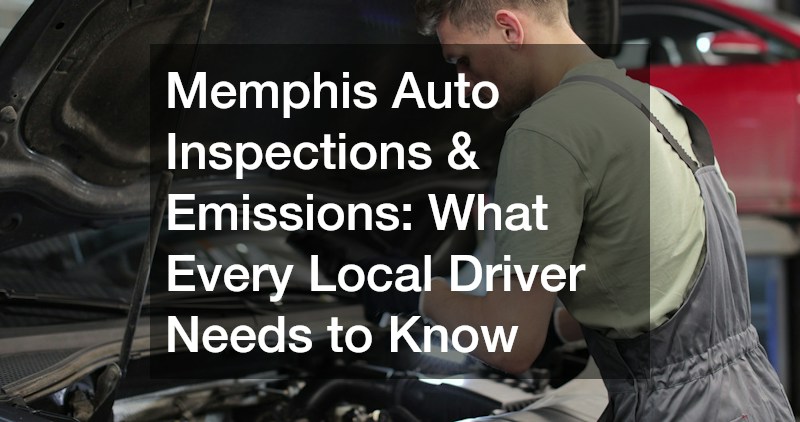
For decades, drivers operating vehicles across Shelby County were accustomed to a familiar routine: an annual visit to a county inspection station, waiting in line, and paying a fee to receive an official emissions certificate required to renew their vehicle registration. This mandatory testing regime was originally established under federal Clean Air Act guidelines to monitor air quality and curb vehicular pollution in densely populated urban centers. However, technological advancements in automotive manufacturing, cleaner fuel formulations, and modern vehicle diagnostics gradually shifted the landscape of environmental compliance.
The Evolving Landscape of Vehicle Inspections in Memphis

In recent years, regulatory updates dramatically altered how local authorities oversee passenger vehicle environmental standards. While the formal requirement for mandatory annual emissions testing was eliminated for standard passenger cars, the responsibility for maintaining vehicle health shifted directly onto individual vehicle owners. Without a mandatory government checkpoint catching mechanical issues during annual registration renewals, localized maintenance awareness became more critical than ever before.
Beyond environmental compliance, routine vehicle evaluations serve a fundamental safety purpose. A comprehensive inspection identifies subtle mechanical fatigue, structural wear, braking degradation, and electrical faults before they escalate into dangerous road emergencies or costly component failures. Understanding how local repair resources support safety standards allows Mid-South drivers to maintain reliable, roadworthy vehicles throughout the year.
Navigating Tennessee’s Updated Emissions and Inspection Regulations
Understanding the shift in state and local regulations helps drivers separate outdated legal requirements from current roadworthiness standards. Following approval from the Environmental Protection Agency (EPA), Tennessee officially phased out mandatory county-level emissions testing for non-commercial passenger vehicles in Shelby County.
This regulatory change simplified the vehicle registration renewal process across the Memphis metropolitan area. Local motorists no longer need to present an emissions passing certificate at county clerk offices or self-service kiosks when renewing their license plates. However, this policy change applies primarily to standard, privately owned passenger cars, light trucks, and SUVs. Heavy commercial fleets, intermodal transport vehicles, and specialized commercial carriers remain subject to strict federal Department of Transportation safety inspections and environmental regulations.
- Voluntary diagnostic checks replace mandatory tailpipe testing for personal passenger vehicles.
- Registration renewal fees and documentation no longer require proof of emissions compliance.
- Commercial vehicles must still adhere to federal safety and mechanical inspection schedules.
- Individual drivers retain full legal responsibility for operating vehicles with functional safety systems.
While tailpipe testing is no longer legally mandated for tag renewals, voluntary emissions and engine diagnostics remain highly beneficial. Monitoring your engine’s combustion efficiency helps optimize fuel economy, extends catalytic converter lifespan, and reduces your overall environmental footprint across the Mid-South region.
Managing Engine Health and Exhaust System Integrity
Modern automobiles are equipped with sophisticated On-Board Diagnostics (OBD-II) systems that constantly monitor engine performance, fuel management, and exhaust filtration. When an internal component malfunctions, the vehicle’s powertrain control module logs a diagnostic trouble code and illuminates the check engine light on your dashboard.
An illuminated warning light can indicate a wide range of issues, from a loose gas cap to a failing oxygen sensor, an evaporative emissions control leak, or an engine misfire. Ignoring these warnings often leads to compounding mechanical damage. For example, unburnt fuel from a misfiring spark plug can flow into the exhaust system and destroy a catalytic converter, turning an inexpensive ignition repair into a costly exhaust replacement.
Addressing these engine and exhaust system issues early requires specialized diagnostic equipment. Establishing a working relationship with a trusted local auto mechanic ensures that diagnostic trouble codes are accurately read, interpreted, and repaired before secondary damage occurs. Skilled technicians utilize dedicated diagnostic scanners to analyze live engine sensor data, check fuel trim values, and resolve complex electrical glitches efficiently.
Drivetrain maintenance extends beyond the engine bay to include complex power delivery components. When experiencing delayed shifting, slipping gears, or unusual fluid leaks, seeking guidance from a certified local auto transmission repair specialist helps protect your vehicle’s torque transfer systems. Timely transmission fluid changes and solenoid repairs prevent overheating and preserve internal gear assemblies, ensuring smooth acceleration on local highways.
Maintaining Wheel, Tire, and Suspension Safety on Mid-South Roads
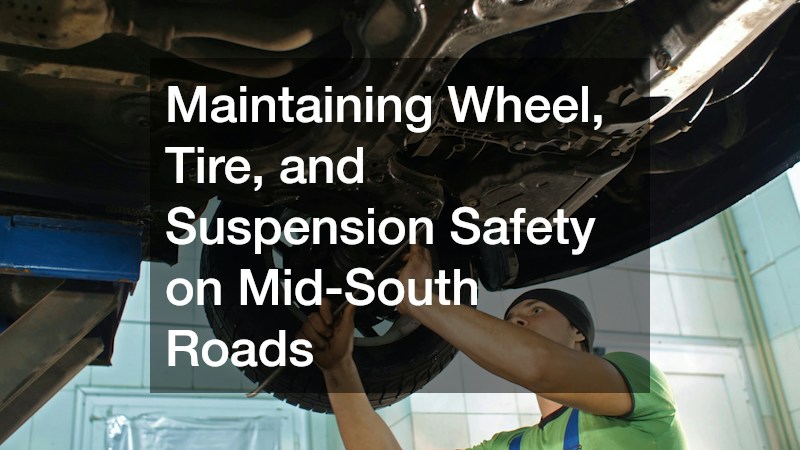
Driving conditions across the greater Memphis area present unique physical challenges to a vehicle’s undercarriage and wheel assemblies. Severe winter freeze-thaw cycles, combined with heavy summer thunderstorms, routinely create deep asphalt potholes, surface cracking, and uneven pavement joints across major commuter corridors like I-240, I-40, and Poplar Avenue.
Repeated impacts with road hazards accelerate wear on tires, shocks, struts, and steering linkages. Driving over sharp pavement edges can compromise internal tire belting, induce sidewall bulges, or knock wheel alignment angles out of factory specification. Over time, misaligned wheels cause rapid, uneven tread wear, reduce fuel efficiency, and create noticeable vehicle pulling.
- Inspect tire tread depth monthly using a depth gauge to ensure adequate wet-weather traction.
- Monitor tire inflation pressure regularly to account for seasonal ambient temperature shifts.
- Check suspension components for leaking hydraulic fluid or cracked rubber mounting bushings.
- Have wheel alignment checked bi-annually or immediately after hitting severe potholes.
To keep your vehicle tracking straight and stopping safely in heavy rain, rely on professional local tire shops for routine maintenance. Experienced auto body repair services provide essential tire services, including dynamic balancing, periodic tread rotations, computerized wheel alignment, and expert puncture repairs. Keeping your tires properly balanced and aligned dramatically extends tread life while protecting sensitive steering components from premature fatigue.
Inspecting Exterior Structure and Frame Integrity
While mechanical reliability keeps your vehicle moving, the exterior structure provides essential physical protection during daily travel. Minor parking lot impacts, low-speed fender benders, and severe weather events can quietly compromise your car’s outer body panels, protective coatings, and structural reinforcements without immediately disabling the engine.
In addition to physical impacts, environmental factors across the Mid-South contribute to exterior degradation. High summer humidity, road salt spread during rare winter storms, and organic debris accumulation can trap moisture against steel subframes and body panels, initiating unseen corrosion beneath the paint.
Restoring aesthetic and structural integrity after minor body damage requires professional craftsmanship. Utilizing established auto body shops ensures that underlying structural members, bumper supports, and exterior metal panels are evaluated for hidden stress. Professional facilities utilize specialized frame-measuring equipment to verify that your vehicle’s factory structural dimensions remain true following minor impacts.
For widespread cosmetic restoration, paint blending, or fiberglass repair, relying on comprehensive auto body repair services guarantees a factory-quality finish. Professional paint matching protects underlying metal substrates against oxidation, preserving both the visual appeal and long-term resale value of your automobile.
Evaluating Crash Worthiness and Structural Collision Restoration
Modern vehicles are engineered around intricate safety cells designed to absorb and redirect impact energy away from passenger compartments during a crash. Controlled crumple zones, reinforced door intrusion beams, and energy-absorbing bumper assemblies work in tandem to minimize force transfer to occupants.
However, when a vehicle suffers moderate to severe impact damage, these protective structures deform intentionally to absorb energy. Rebuilding a collision-damaged vehicle requires far more than replacing torn sheet metal or snapped plastic fascias; it demands precise structural restoration to ensure the car retains its original crashworthiness in future accidents.
Following a severe accident, arranging care through a dedicated auto body shop equips you with the technical expertise needed to assess hidden frame distortion. Modern body technicians carefully pull, align, and weld structural steel back to precise factory tolerances, ensuring safety systems deploy as engineered.
Comprehensive structural restoration is best handled by facilities specializing in complete auto collision service. These dedicated collision centers manage complex repairs, including structural unibody pulling, Advanced Driver Assistance Systems (ADAS) sensor recalibration, and complete safety restraint inspections, returning severely damaged vehicles to safe operating condition.
Performing Post-Accident Inspections and Insurance Assessments
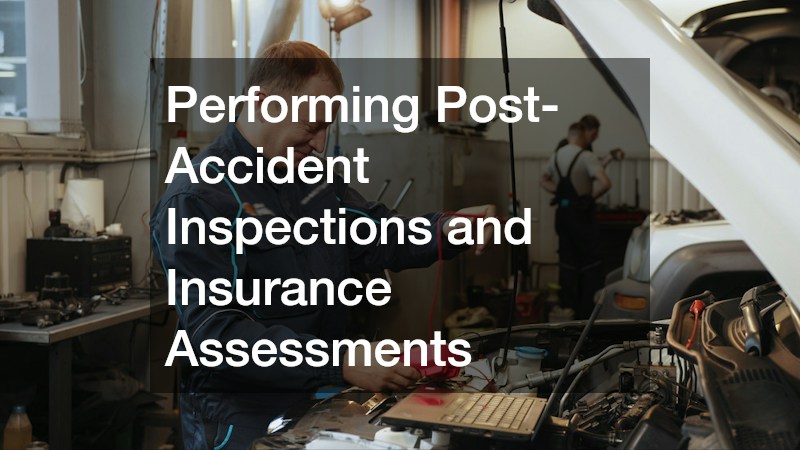
The period following a traffic collision can be stressful, but conducting a thorough post-accident damage assessment is vital for personal safety and financial recovery. Even low-speed collisions can misalign steering geometry, tear internal wiring harnesses, or create subtle fluid leaks that aren’t immediately obvious at the scene.
After securing an accident report, your immediate priority should be getting the vehicle thoroughly inspected by certified structural technicians. Professional repair estimators examine the vehicle carefully, looking past cosmetic panel damage to evaluate hidden mechanical systems, electronic modules, and structural framing underneath.
- Document all visible exterior, interior, and mechanical damage with clear photographs.
- Request a complete diagnostic scan of all electronic control units to identify hidden fault codes.
- Ensure suspension mounting points and steering linkages are measured for minor bending.
- Verify that safety restraint systems, including seatbelt pre-tensioners, are audited.
During the repair process, skilled auto body mechanics disassemble damaged vehicle sections to inspect hidden impact absorbers and electronic wiring harnesses. Their hands-on tear-downs ensure that all necessary repair operations are accounted for before replacement panels are painted and installed.
To ensure your vehicle receives thorough safety verification before returning to the road, partner with an experienced local car collision repair facility. Certified collision technicians work directly with insurance adjusters, utilizing OEM repair protocols to ensure every mechanical, structural, and safety system is restored correctly.
Creating a Preventative Vehicle Inspection Schedule
Since Shelby County no longer mandates annual emissions checks for non-commercial passenger vehicles, creating a personal preventative maintenance schedule is the most effective way to keep your vehicle safe, efficient, and reliable. Developing disciplined inspection habits prevents small issues from turning into major breakdowns.
Monthly Self-Inspection Checklist
- Lighting Systems: Verify that all headlights, high beams, brake lights, turn signals, and reverse lights operate properly.
- Fluid Levels: Check engine oil, engine coolant, windshield washer fluid, brake fluid, and power steering fluid levels.
- Tire Condition: Check inflation pressures across all four tires (and the spare), inspecting tread surfaces for embedded nails, uneven wear, or sidewall cracks.
- Wiper Blades: Inspect rubber wiper elements for splitting or streaking to maintain clear vision during sudden downpours.
Seasonal Professional Maintenance Schedule
- Spring Audit: Have a professional inspect your air conditioning system, cabin air filter, battery terminals, and undercarriage after winter road salt exposure.
- Fall Audit: Test engine heating performance, check radiator hose elasticity, evaluate brake pad thickness, and test battery cold-cranking amps before winter temperatures drop.
By combining routine home visual checks with periodic professional inspections, you maintain complete confidence in your vehicle’s safety, efficiency, and performance across every mile of Mid-South roadway.
Long-Term Financial Value of Systematic Maintenance
Taking a proactive approach to vehicle maintenance yields significant financial and operational rewards over time. While skipping routine inspections might offer short-term savings, deferred maintenance consistently leads to higher repair costs, decreased fuel economy, and a shortened vehicle lifespan.
When minor issues like worn belts, subtle alignment pulls, or minor fluid weepages are left unaddressed, they place extra mechanical strain on adjacent components. A ignored minor repair often cascades into a major system failure, turning a inexpensive routine service into a costly, unexpected emergency repair. Furthermore, keeping critical fluids clean and mechanical tolerances tight ensures your engine and drivetrain operate at peak thermal efficiency, saving you substantial money at the gas pump over thousands of driving miles.
A well-maintained vehicle retains substantially higher market value when it comes time to trade or sell. Keeping organized records of oil changes, brake services, tire rotations, and diagnostic reports proves to prospective buyers that the vehicle was cared for conscientiously.
Most importantly, systematic upkeep protects what matters most: passenger safety. Ensuring that your brakes, tires, steering linkages, lighting, and safety electronics are always in optimal working condition gives you true peace of mind whenever you hit the road.
Taking Control of Your Vehicle’s Roadworthiness

The elimination of mandatory county emissions testing across Shelby County shifted the responsibility of vehicle health directly into the hands of local drivers. Rather than viewing this regulatory change as an opportunity to skip maintenance, smart motorists use it to take full control of their vehicle’s safety and performance.
Removing annual state checkpoints makes self-directed care essential for preserving engine efficiency and driving comfort. Unchecked mechanical wear, minor exhaust leaks, and neglected fluid levels can silently compromise fuel economy and trigger costly repairs over time.
By learning to identify early warning signs, conducting simple monthly self-inspections, and establishing strong relationships with qualified local service specialists, you protect both your financial investment and everyone sharing the road with you.
Take charge of your vehicle’s health today. Schedule comprehensive multi-point inspections and auto repairs with a trusted local automotive specialist, address minor mechanical or cosmetic needs promptly, and enjoy a safer, smoother driving experience across Memphis and beyond.