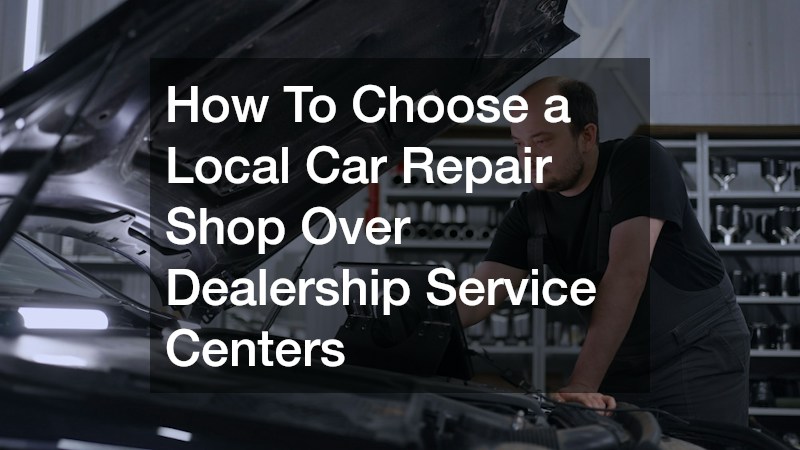
Vehicle owners frequently face a decision between utilizing a dealership service center or an independent local car repair shop for maintenance and mechanical work. While dealerships feature brand-specific technicians, independent repair facilities offer significant advantages in cost management, customer service, accessibility, and repair flexibility. Evaluating these benefits alongside diagnostic capabilities and consumer protection laws helps drivers make informed decisions regarding their vehicle’s upkeep.
Key Advantages of Independent Local Repair Shops
-
Substantial Cost Savings: Independent repair shops operate with significantly lower overhead costs than large dealership franchises. They charge lower average labor rates and provide options between Original Equipment Manufacturer (OEM) parts and high-quality aftermarket alternatives, resulting in 20% to 50% savings on routine maintenance and major repairs.
-
Direct Access and Personalized Care: At local shops, drivers often speak directly with the certified technician working on their vehicle rather than passing through service advisors. This creates transparent communication, personalized maintenance tracking, and long-term relationships tailored to a vehicle’s specific driving history.
-
Convenience and Local Proximity: Independent shops are widely distributed throughout local communities, offering flexible scheduling, shorter wait times for appointments, and easier drop-off or pickup logistics compared to centralized regional dealerships.
-
Multi-Make Versatility: Independent mechanics regularly service various vehicle makes, models, and years. Their broad experience allows them to diagnose cross-manufacturer platform issues that brand-siloed dealership technicians might rarely encounter.
Consumer Protections: Factory Warranties and Independent Service
A common misconception among car owners is that servicing a vehicle at an independent shop voids the manufacturer’s factory warranty.
Under the Magnuson-Moss Warranty Act, it is illegal for vehicle manufacturers or dealerships to void a factory warranty or deny coverage simply because routine maintenance or repairs were performed by an independent shop.
To keep factory warranties fully intact when utilizing a local shop, vehicle owners must:
-
Follow Manufacturer Maintenance Schedules: Perform oil changes, fluid flushes, and filter replacements according to the service intervals outlined in the owner’s manual.
-
Maintain Meticulous Records: Keep itemized receipts, invoices, and service records showing the date, mileage, and specific parts or fluids used during each independent service visit.
Framework for Evaluating a Local Repair Shop
Before committing to a local repair facility, evaluate the business against these critical industry standards:
1. Professional Certification and Accreditation
Look for technicians certified by the National Institute for Automotive Service Excellence (ASE). Master ASE certification indicates verified hands-on experience and passing rigorous, updated competency exams across multiple mechanical systems. Additionally, check if the business holds an AAA Approved Auto Repair designation or belongs to professional associations like the Automotive Service Association (ASA).
2. Diagnostic Equipment and Tooling
Modern vehicles contain dozens of interconnected electronic control units (ECUs). Reputable local shops invest heavily in professional-grade, multi-brand diagnostic scan tools, digital oscilloscope equipment, and technical database subscriptions (such as ALLDATA or Identifix) to perform complex electrical and mechanical diagnostics accurately.
3. Nationwide Warranties on Parts and Labor
Top-tier independent shops stand behind their work by offering written warranties on parts and labor. Look for facilities affiliated with national networks (such as NAPA AutoCare, TechNet, or Pronto) that provide nationwide coverage—typically 24 months/24,000 miles or 36 months/36,000 miles—protecting your repairs even when traveling away from home.
Steps to Safely Transition from Dealership to Local Shop
-
Request Your Complete Dealer Service History: Ask your dealership for a full digital printout of all past maintenance, warranty work, and repairs performed on the vehicle.
-
Start with Routine Maintenance: Test a local shop’s customer service, punctuality, and communication by scheduling a minor service first, such as an oil change, tire rotation, or state inspection.
-
Ask for Itemized Quotes: Request detailed written estimates that break down labor hours, labor rates, and part costs (specifying OEM vs. aftermarket) before approving complex repairs.
-
Confirm Part Sourcing Options: Discuss part preferences with the technician; reputable shops will explain when an OEM part is strictly necessary versus when a high-grade aftermarket part offers equal performance at a lower price point.
Selecting a reputable local repair shop over a dealership service center allows vehicle owners to significantly reduce total cost of ownership without sacrificing service quality or voiding factory warranties. By verifying ASE credentials, confirming nationwide warranty coverage, and maintaining thorough service records, drivers can establish a trusted, long-term relationship with an independent shop that delivers expert mechanics, transparent pricing, and personalized service.