
A vehicle is a major investment, and how long it remains dependable depends heavily on the way it is maintained and driven. Modern vehicles can provide many years of reliable transportation, but reaching higher mileage without excessive repair costs usually requires more than responding to problems after they occur. Preventive care is the foundation of long-term vehicle ownership.
Small habits make a significant difference. Checking fluids, monitoring tire condition, responding to warning lights, keeping the exterior clean, and driving smoothly can reduce unnecessary wear. Just as importantly, drivers should learn how their vehicle normally sounds, feels, and performs. Recognizing a change early can make it easier to address a developing problem before additional components are affected.
Maintenance needs also change with age and mileage. A newer vehicle may require little beyond scheduled service, while an older one may need more frequent inspections of belts, hoses, suspension parts, seals, and other components affected by time and use.
By combining preventive maintenance with prompt repairs, careful driving, exterior protection, and sensible financial planning, owners can give their vehicles a better chance of remaining safe, comfortable, and dependable for years.
Follow a Preventive Maintenance Schedule Consistently
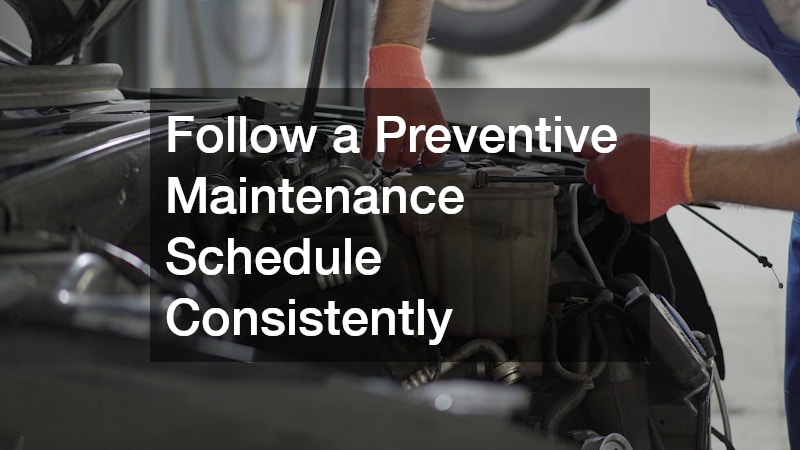
The owner’s manual should be the starting point for long-term maintenance. Manufacturers specify service intervals for important items such as engine oil, filters, fluids, spark plugs, belts, and other components. Following those recommendations is generally more reliable than waiting for a warning light or assuming a vehicle only needs attention when something feels wrong.
Routine inspections are equally valuable. A mechanic can look for developing concerns such as fluid leaks, deteriorated belts, worn brake components, damaged suspension parts, and aging hoses. Finding these problems early may prevent a relatively inexpensive component from contributing to a larger failure.
Drivers should also recognize that maintenance requirements can depend on operating conditions. Frequent short trips, stop-and-go traffic, towing, dusty roads, and extreme temperatures can place different demands on a vehicle. The manufacturer’s maintenance information may provide separate recommendations for severe operating conditions.
Brand-specific requirements matter as well. Someone scheduling honda repair, for example, should consider the recommended fluids, parts, procedures, and maintenance intervals for the particular model rather than relying on generic advice.
Keep records of every service performed, including the date, mileage, and type of work. A simple maintenance history makes it easier to see what is due next and can prevent services from being accidentally repeated or forgotten. These records may also demonstrate responsible ownership if the vehicle is eventually sold.
Address Warning Signs Before They Become Major Repairs
Vehicles often provide clues before a serious failure occurs. Warning lights are obvious examples, but drivers should also pay attention to new noises, vibrations, odors, leaks, changes in handling, unusual exhaust, or differences in braking performance. A vehicle that suddenly behaves differently deserves attention even if it still seems drivable.
Exterior problems should receive the same consideration. Collision damage is not always purely cosmetic. A damaged bumper or body panel can conceal broken mounting points, sensors, lighting components, or other issues. An auto body shop can evaluate damage after an accident and determine what is necessary to restore the affected area properly.
Minor dents may have less complicated solutions. Paintless dent repair can sometimes remove certain dents without traditional body filling and repainting, particularly when the existing finish has not been damaged. Suitability depends on factors such as the location, depth, shape, and accessibility of the dent.
After even a relatively minor impact, inspect more than the obvious damaged spot. Check lights, mirrors, tires, nearby panels, and the way doors or the trunk open and close. If the vehicle pulls, vibrates, produces unusual sounds, or displays warning messages afterward, additional evaluation may be needed.
Delaying repairs can allow problems to spread. Addressing a small issue promptly often provides more options and helps protect both reliability and long-term value.
Protect the Paint and Exterior From Everyday Damage
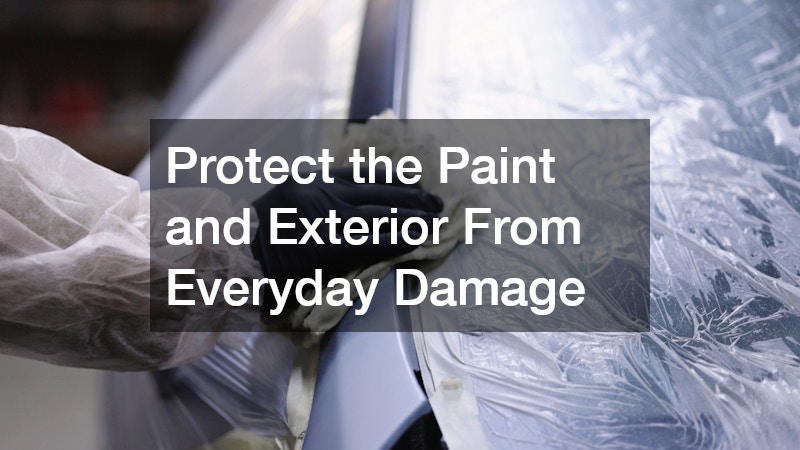
A vehicle’s exterior faces constant exposure to sunlight, rain, insects, road grime, bird droppings, tree residue, and other contaminants. Depending on the climate, road salt and winter chemicals can add another challenge. Allowing these materials to remain on exterior surfaces for extended periods can make cleaning more difficult and may contribute to deterioration.
Regular washing is one of the simplest preventive measures. Pay particular attention to lower body panels, wheels, wheel wells, and other areas where road debris accumulates. Use appropriate automotive cleaning products and clean tools to reduce the risk of scratching the finish.
Periodic auto detailing can provide a more thorough cleaning than a basic wash. Professional detailing may address difficult-to-reach exterior areas as well as interior surfaces where dust, stains, and contaminants accumulate. The appropriate frequency depends on driving conditions, storage, climate, and how much appearance matters to the owner.
Some drivers also consider ceramic coating as an additional form of paint protection. These products can make certain contaminants easier to remove and provide a protective surface layer, but they should not be treated as an invisible shield against every type of damage. Scratches, stone impacts, and improper washing can still affect the finish.
Regardless of the protection used, gentle cleaning remains important. Avoid dirty wash tools and harsh techniques that can create fine scratches. Consistent care is generally more effective than waiting until years of contamination and neglect have accumulated.
Protect the Cabin and Glass From Heat and Wear
The interior experiences its own form of aging. Sunlight and heat can contribute to fading and deterioration of dashboards, upholstery, trim, and other materials. Parking in shaded areas when practical and using appropriate interior protection can reduce some of this exposure.
Professionally installed auto tint may help reduce glare and solar heat entering through the windows, which can improve comfort while reducing exposure to sunlight inside the cabin. However, tint regulations vary considerably between jurisdictions. Drivers should confirm local requirements for darkness, reflectivity, and permitted window locations before installation.
Glass condition is equally important because clear visibility is fundamental to safe driving. Inspect the windshield periodically for chips and cracks, particularly after driving on roads with loose debris or after significant temperature changes. Small damage can sometimes spread due to vibration, additional impacts, or thermal expansion.
An auto glass service can determine whether damaged glass can be repaired or whether replacement is the appropriate option. Addressing a small chip early may prevent it from developing into a longer crack that requires more extensive work.
Inside the vehicle, clean spills quickly and avoid allowing dirt to become deeply embedded in carpets and upholstery. Use products intended for the specific material being cleaned. Small habits such as using floor mats, removing trash regularly, and protecting frequently touched surfaces can help an older vehicle remain comfortable and presentable.
Keep Tires, Brakes, and Steering Components in Good Condition
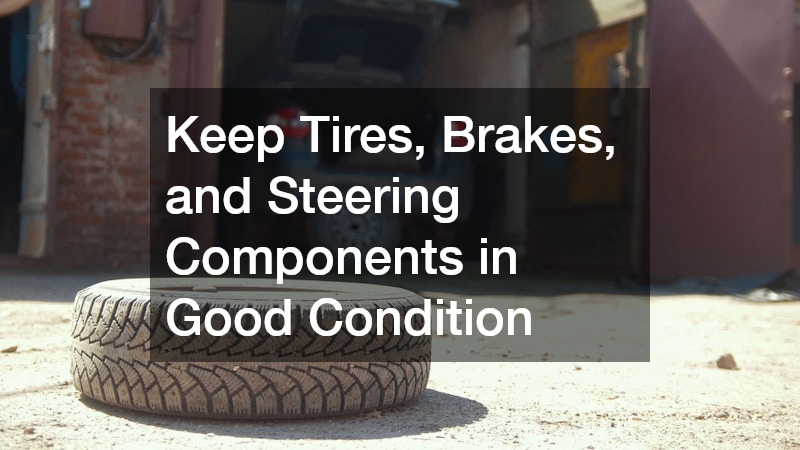
Tires provide the vehicle’s contact with the road, making their condition important for both longevity and safety. Check tire pressure regularly when the tires are cold and compare the readings with the manufacturer’s recommended pressure, usually found on a label inside the driver’s door area.
Inspect tread at the same time. Uneven wear can provide useful clues about alignment, suspension, inflation, or rotation issues. For example, excessive wear concentrated on one edge should not simply be dismissed as normal aging. A mechanic can determine whether another vehicle system is contributing to the pattern.
Brakes also deserve immediate attention when their behavior changes. Grinding, squealing, steering vibration during braking, an unusual pedal feel, or increased stopping distance can indicate a problem requiring evaluation. Addressing worn components before they damage related parts may reduce repair costs.
Where required, a state inspection can provide an additional opportunity to identify certain safety or regulatory concerns. However, passing an official inspection should not be considered a substitute for regular maintenance. Inspection requirements vary, and they may not cover every component affecting long-term reliability.
As mileage increases, suspension and steering components should receive additional attention. Worn parts can affect handling, tire wear, ride quality, and stability. Changes such as excessive bouncing, clunking noises, looseness, or pulling should be investigated rather than accepted as an unavoidable consequence of owning an older vehicle.
Reduce Engine and Transmission Wear With Better Driving Habits
How a vehicle is driven can influence how quickly components wear. Frequent hard acceleration, abrupt braking, excessive speed, and aggressive cornering place additional stress on tires, brakes, suspension parts, and drivetrain components. Smooth inputs generally reduce unnecessary strain while also making driving more predictable.
Avoid demanding maximum performance immediately after starting a cold vehicle. Modern engines do not typically require lengthy stationary warm-ups, but driving moderately while the vehicle reaches normal operating conditions can reduce unnecessary stress.
Driving conditions can also affect service requirements. Owners arranging honda repair or maintenance for any other brand should mention how the vehicle is actually used. Frequent short journeys, towing, extensive idling, heavy traffic, and extreme temperatures may influence appropriate maintenance intervals.
Long-term vehicle ownership also requires financial planning. As a car ages and its value changes, periodically review coverage rather than automatically renewing the same policy year after year. When comparing options for the best auto insurance, consider coverage limits, deductibles, available protections, vehicle value, and personal financial circumstances instead of looking exclusively at the premium.
Insurance and maintenance serve different purposes. Coverage can help manage certain financial risks, while proper maintenance helps reduce avoidable mechanical deterioration. Both should be reviewed as the vehicle ages.
Prevent Small Exterior Problems From Becoming Expensive
Regular exterior inspections can reveal damage before it becomes more complicated. Walk around the vehicle occasionally in good lighting and check bumpers, body panels, lights, mirrors, wheels, and glass. Look for chipped paint, scratches reaching bare metal, loose trim, and signs that panels have shifted.
Exposed metal deserves prompt attention because loss of the protective finish can make the area vulnerable to corrosion. An auto body shop can assess damaged paint and panels and recommend an appropriate repair, particularly when damage resulted from a collision or affects the fit of surrounding components.
Windshield and window damage should also be taken seriously. A small chip may seem harmless until temperature changes, road vibration, or another impact causes it to spread. An auto glass service can evaluate chips, cracks, damaged seals, and other problems affecting visibility or the integrity of the glass.
Inspect the vehicle after severe storms, road-debris impacts, and minor collisions even when damage initially appears insignificant. Check headlights, taillights, cameras, mirrors, and other components around the affected area.
The purpose of these inspections is not to keep an everyday vehicle cosmetically perfect. It is to identify damage while repair options are still relatively straightforward and to prevent minor exterior problems from contributing to corrosion, water intrusion, reduced visibility, or additional deterioration.
Preserve Your Vehicle’s Appearance and Long-Term Value
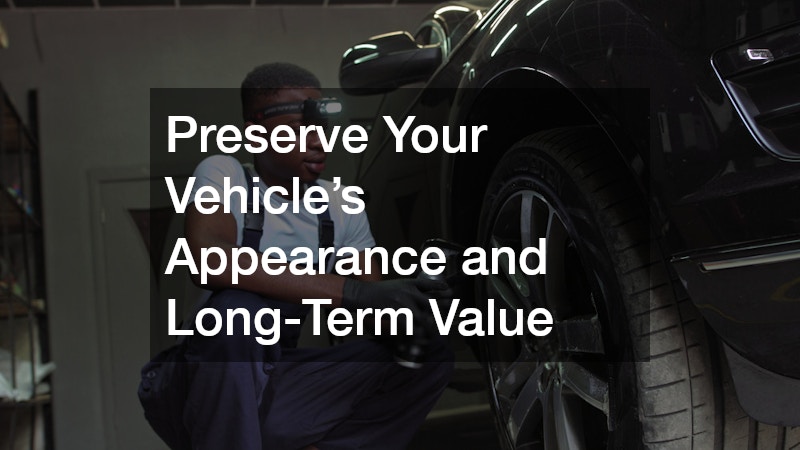
Mechanical reliability should remain the priority, but appearance becomes increasingly important as a vehicle ages. Two vehicles with similar mileage can feel dramatically different depending on how their interiors and exteriors have been maintained.
For owners who want additional surface protection, ceramic coating may help make routine cleaning easier and reduce direct exposure to certain environmental contaminants. Proper preparation and realistic expectations are essential. Existing paint defects generally need to be considered before application because adding a protective layer does not automatically correct damage underneath it.
Small dents can also make an otherwise well-maintained vehicle appear older. When the paint remains intact and the damage is suitable, paintless dent repair may provide a way to improve the panel without conventional repainting. Not every dent qualifies, so an evaluation is necessary.
Inside the vehicle, deal with stains, odors, torn materials, and damaged trim before they become more difficult to correct. Regular vacuuming and gentle cleaning can prevent abrasive dirt from becoming deeply embedded in surfaces.
Maintenance documentation also contributes to long-term value. A folder containing service receipts and repair records gives future buyers useful information about the vehicle’s history. Combined with good cosmetic condition, these records can demonstrate that the car received consistent attention rather than only being repaired when something failed.
Protect Yourself Financially as Your Vehicle Ages
Older vehicles can remain economical to own, but repair costs become less predictable as components accumulate years and mileage. Building a dedicated emergency fund for vehicle expenses can make an unexpected repair easier to manage without disrupting other financial priorities.
Insurance needs may change as well. When reviewing the best auto insurance for a particular situation, compare more than monthly or annual premiums. Look at deductibles, liability limits, optional protections, exclusions, and how the coverage aligns with the vehicle’s current value. The right balance for a newer financed vehicle may differ from the appropriate approach for an older car.
Drivers living in areas that require a state inspection should prepare before the appointment rather than treating the process as the vehicle’s only annual safety check. Requirements differ by jurisdiction, but owners can routinely monitor basic items such as exterior lights, tires, windshield wipers, and other visible equipment.
It can also be helpful to anticipate upcoming maintenance expenses. If tires, brakes, or a major scheduled service will likely be needed within several months, planning for the cost is easier than treating it as a surprise.
The financial goal is not to avoid every repair. Instead, compare maintenance and repair costs with the value and usefulness the vehicle continues to provide. A paid-off, properly maintained older vehicle can remain a practical choice when its condition and operating costs are carefully managed.
Turn Consistent Care Into Long-Term Reliability
Extending a vehicle’s useful life is rarely the result of one major repair or maintenance decision. It comes from consistently handling small responsibilities before they develop into larger problems. Following the manufacturer’s service schedule, responding to warning signs, protecting exterior and interior surfaces, and paying attention to tires, brakes, steering, and other safety-related systems all contribute to longevity.
Driving habits matter too. Smooth operation can reduce unnecessary stress, while regular inspections make changes easier to identify. As the vehicle accumulates mileage, keeping detailed service records and budgeting for future maintenance can make ownership more predictable.
Most importantly, become familiar with how the vehicle behaves when everything is functioning properly. Changes in sound, handling, braking, fuel economy, fluid levels, or overall performance can provide valuable early warnings.
A vehicle will inevitably experience wear as it ages, but age alone does not determine when it stops being dependable. Consistent maintenance, timely repairs, careful driving, and sensible planning can help a well-cared-for car remain safe, comfortable, attractive, and useful for many years and miles.