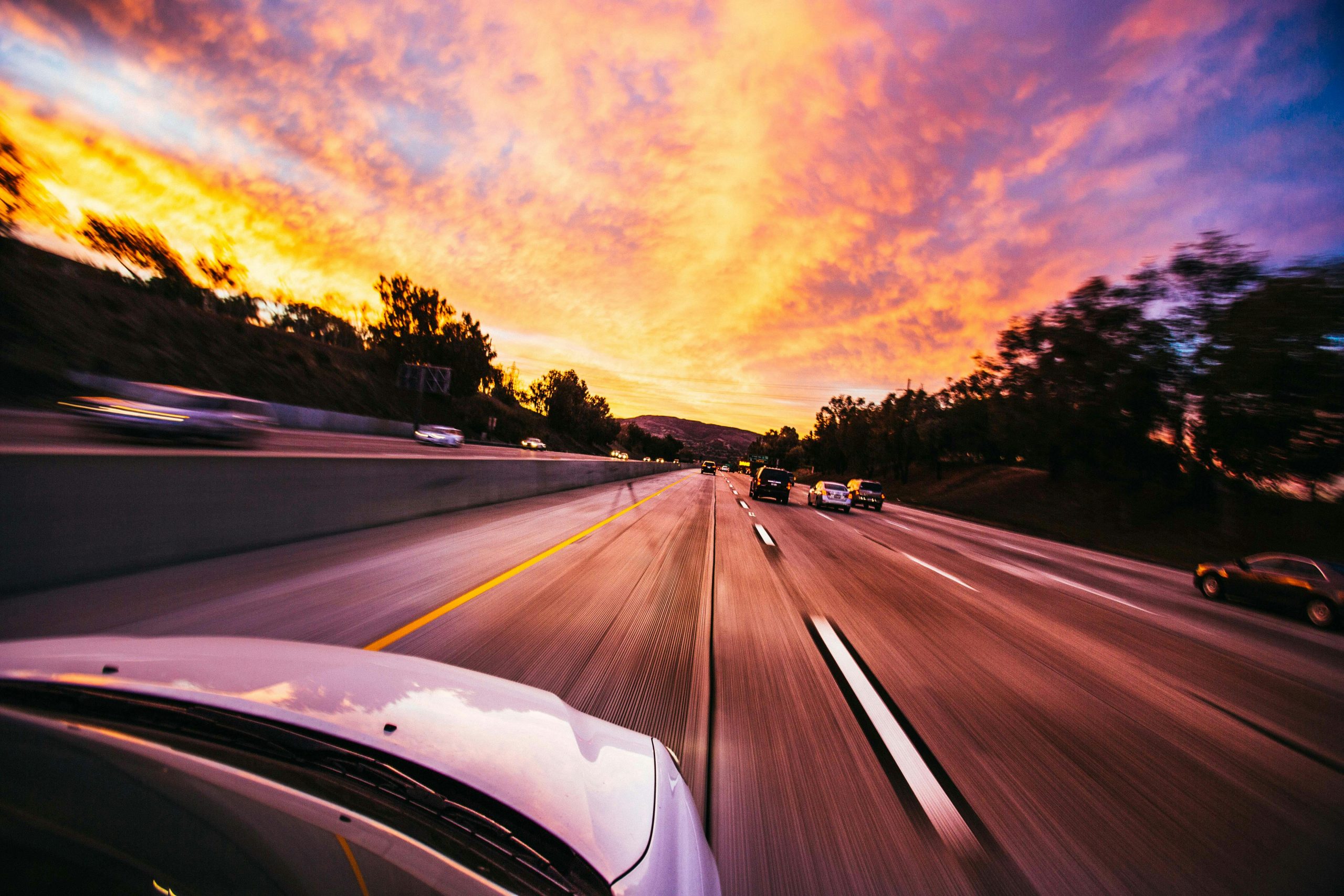
If you have ever been running late for an appointment, you have probably felt the urge to press down a little harder on the gas pedal. You might think that arriving five minutes earlier is worth the extra rush. But as you watch the needle on your speedometer climb, have you ever looked at your fuel gauge and wondered: does driving faster use more gas?
The short answer is a resounding yes. However, the science behind why it happens is fascinating and can help you become a much smarter driver. In the automotive world, we talk a lot about “efficiency.” For a car, efficiency means getting the most distance out of every drop of fuel. When you drive at very high speeds, you are essentially fighting a battle against physics—and physics always wins. This guide will explain the relationship between speed and fuel consumption and help you find the “sweet spot” where your car runs best.
The Physics of Speed: Why Faster Equals More Fuel
To answer the question, does driving faster use more gas, we have to look at two main forces: engine load and air resistance (also known as drag). When your car is sitting still, it uses a tiny amount of gas just to keep the engine turning. As you start to move, the engine has to work to overcome the weight of the vehicle.
Once you reach highway speeds, the biggest challenge for your car isn’t its weight—it is the air in front of it. Even though air feels light when you walk through it, at 70 miles per hour, it acts like a thick wall. Your car has to “push” that air out of the way to move forward. The faster you go, the harder that wall pushes back.
The Exponential Problem of Drag
- The Squaring Effect: Air resistance doesn’t increase at a steady rate. If you double your speed, the drag doesn’t just double; it increases by four times. This is why the jump from 50 mph to 70 mph uses significantly more gas than the jump from 30 mph to 50 mph.
- Engine Effort: To fight this extra air resistance, your engine has to burn more fuel to maintain that high speed. It’s like trying to run through water; the faster you try to go, the more energy you have to spend.
- Transmission Gearing: Most cars are designed to be in their top gear at highway speeds. If you go too fast, the engine has to spin at very high RPMs (Revolutions Per Minute) even in top gear, which is very inefficient.
Finding the “Sweet Spot”: The Most Efficient Speed
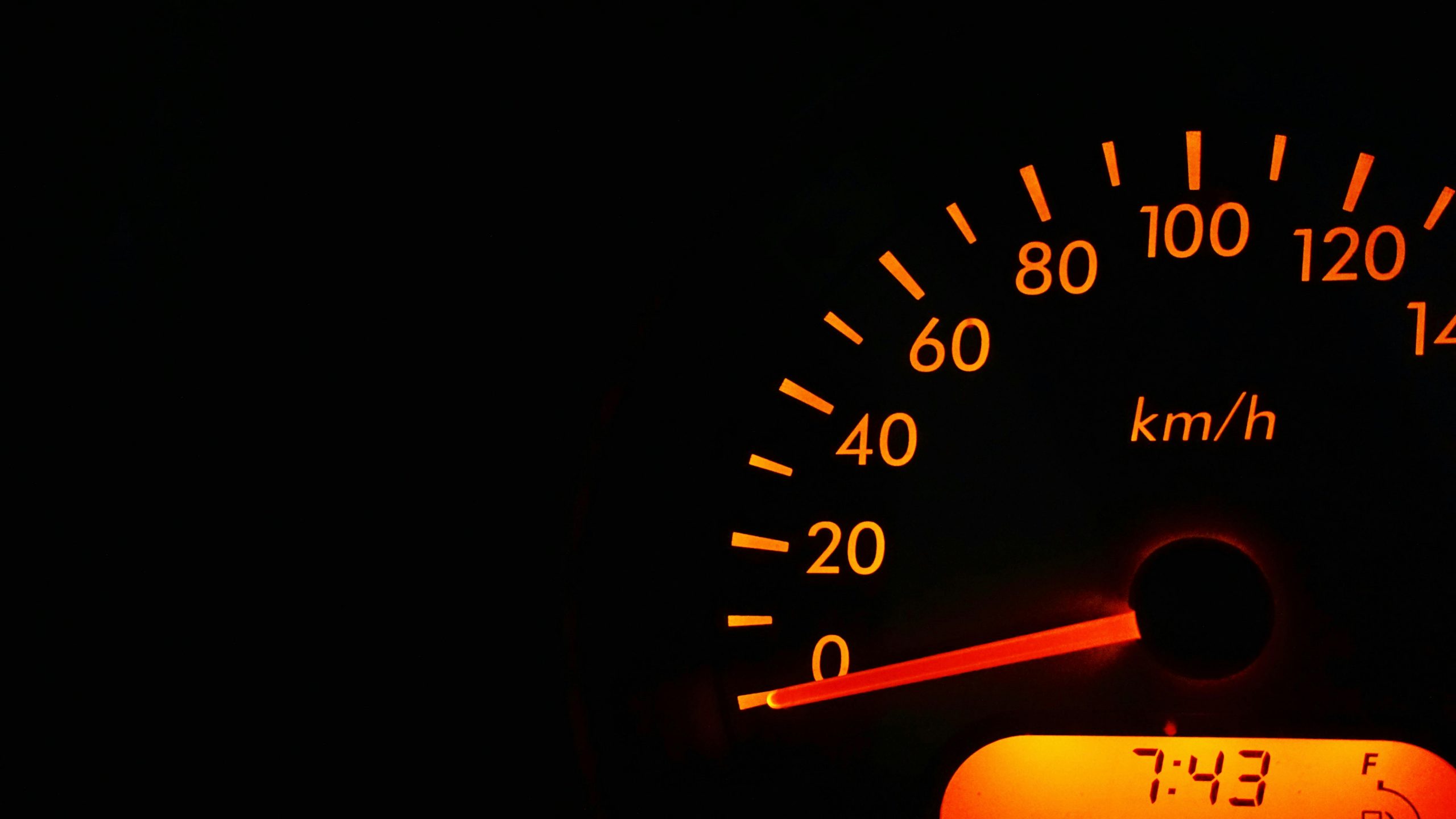
Every vehicle has a specific speed where it is most efficient. This is often called the “MPG Sweet Spot.” For the vast majority of cars, SUVs, and trucks, this speed falls between 55 and 60 miles per hour.
At this speed, the engine is running in its most efficient gear, and the air resistance hasn’t become too powerful yet. Once you cross the 60 mph threshold, your fuel economy starts to drop off a cliff. According to government studies, for every 5 mph you drive over 60 mph, it is like paying an additional $0.25 per gallon of gas.
Factors That Influence Your Sweet Spot
- Vehicle Shape: A sleek sedan will have a higher efficient speed than a boxy SUV because it cuts through the air better. A Jeep Wrangler, for example, will see a much bigger drop in fuel economy at high speeds because of its “brick-like” shape.
- Engine Type: Smaller engines often have to work harder at high speeds than larger, more powerful engines. However, small engines usually win in city driving.
- Tire Size: Larger, wider tires create more friction with the road (rolling resistance), which can lower your efficient speed.
How to Save Gas While Driving: Beyond Just Speed
While slowing down is the best way to improve your MPG, it is just one piece of the puzzle. Learning how to save gas while driving involves looking at your entire driving style. If you drive 60 mph but you are constantly braking and accelerating, you will still waste a lot of fuel.
Consistency is key. Imagine a professional marathon runner. They don’t sprint and then stop; they find a steady pace and stick to it. You should do the same with your vehicle. By combining a moderate speed with smooth habits, you can maximize your savings.
- Avoid Aggressive Starts: Slamming the gas at a green light is one of the quickest ways to empty your tank. Accelerate slowly and let the transmission do its job.
- Use Gravity: If you see a hill coming up, let your speed drop slightly as you go up and regain it as you coast down.
- Maintain Your Vehicle: A car with a dirty air filter or low tire pressure has to work harder at every speed. Regular maintenance ensures your “sweet spot” stays efficient.
The “Time vs. Money” Debate
Many drivers argue that driving faster saves time, and time is money. Let’s do the math to see if does driving faster use more gas is worth the trade-off.
If you are traveling 30 miles on a highway:
- At 60 mph, the trip takes 30 minutes.
- At 75 mph, the trip takes 24 minutes.
You saved 6 minutes. However, by going 75 mph, you likely used 20% to 25% more fuel. For most people, saving 6 minutes is not worth the extra $5 to $10 in gas costs, especially when you consider the increased risk of a speeding ticket or an accident.
Hidden Costs of High Speed
- Brake Wear: When you drive faster, you have to brake harder. This wears down your brake pads and rotors much faster.
- Tire Heat: High speeds create more heat in your tires, which can lead to faster tread wear and even blowouts in hot weather.
- Engine Stress: Running an engine at high RPMs for long periods increases heat and friction, which can shorten the life of your motor oil and engine components.
The Impact of Wind and Weather
It isn’t just your speed that matters; it is your “airspeed.” If you are driving 60 mph into a 20 mph headwind, your car feels like it is going 80 mph. This is why you might notice your gas mileage is much worse on windy days or during the winter.
Cold air is denser than warm air. This means it is harder for your car to push through. Additionally, winter fuel blends often have slightly less energy than summer blends, further affecting your MPG.
- Check the Weather: If you know it will be a windy day, slowing down by just 5 mph can cancel out the extra drag caused by the wind.
- Winter Driving: Give your car a minute to warm up, but don’t idle for ten minutes. The best way to warm a car is to drive it gently.
- Rain and Snow: Water on the road creates “hydrodynamic drag.” Your tires have to push the water out of the way, which uses extra energy. Slowing down in the rain is safer and saves gas.
Modern Tech: How Your Car Tries to Help
If you have a newer car, you probably have tools built-in to help you answer the question, does driving faster use more gas? Most modern vehicles come with an “Eco Mode” and real-time fuel economy displays.
Using Your Car’s Features
- Instant MPG Gauge: This is a bar or number that changes as you drive. Watch how it drops the second you accelerate hard or go over 70 mph. It is a great “teacher” for better habits.
- Eco Mode: This setting usually softens the throttle response and changes how the transmission shifts to keep the engine in its most efficient range.
- Active Grille Shutters: Some modern cars have little “shutters” in the front grille that close at high speeds. This makes the car more aerodynamic and helps it cut through the air easier.
The Psychology of the Fast Lane
Why do we feel the need to drive so fast? Often, it is a psychological “rut.” We see other cars passing us, and we feel like we are “losing” or being slow. But when you understand the physics, you realize that the person speeding past you is just paying a “tax” to arrive a few minutes earlier.
Being an optimistic and mindful driver means being okay with staying in the right lane. You are the one saving money, reducing emissions, and putting less stress on your vehicle. It is a choice to prioritize your wallet and your safety over a few minutes of saved time.
- Set Your Cruise Control: This takes the “temptation” away. Set it to 62 mph and enjoy the music or a podcast.
- Leave Five Minutes Earlier: The best way to avoid the urge to speed is to give yourself a time cushion.
- Focus on the “Long Game”: Think about the hundreds of dollars you will save over a year just by changing this one habit.
Comparing Different Vehicle Types
Does driving faster use more gas at the same rate for every car? Not exactly. The “penalty” for speeding depends heavily on the type of vehicle you drive.
The Efficiency Gap
| Vehicle Type | Most Efficient Speed | Penalty at 75 mph |
| Hybrid/Compact | 50-55 mph | Moderate |
| Full-Size Sedan | 55-60 mph | Significant |
| Large SUV/Truck | 50-55 mph | Massive |
| Electric Vehicle | 45-55 mph | Very High |
Electric Vehicles (EVs): EVs are incredibly sensitive to speed. Because they don’t have a multi-speed transmission like gas cars, driving an EV at 80 mph can cut your range almost in half compared to driving at 55 mph.- Hybrids: Hybrids excel in the city where they can use their electric motors. On the highway, they rely more on their small gas engines. Speeding in a hybrid often “kills” the amazing MPG numbers people buy them for.
Practical Tips for Finding Your Own “Sweet Spot”
Every car is a little different. Here is how you can find the exact speed where your car is happiest.
- Find a Flat Highway: Wait for a day with little wind and a long, flat stretch of road.
- Reset Your Trip Computer: While driving at 55 mph, reset your average MPG. Drive for 5 miles and record the number.
- Repeat at Different Speeds: Do the same test at 60, 65, 70, and 75 mph.
- Look for the Drop: You will likely see that the MPG stays steady until a certain point, then begins to fall rapidly. That “turning point” is your car’s most efficient speed.
Conclusion: Knowledge is Power (and Money)
Does driving faster use more gas? Yes, it absolutely does. By understanding the relationship between speed, air resistance, and engine efficiency, you have the power to control your travel costs. You no longer have to be at the mercy of the gas station’s prices.
Finding your car’s most efficient speed and learning how to save gas while driving through smooth, consistent habits is one of the best things you can do for your finances and your vehicle’s health. The road is not a race; it is a journey. By slowing down just a little bit, you can enjoy that journey more, stay safer, and keep your money where it belongs—in your pocket.
Next time you are on the highway and feel the urge to speed, remember the “wall of air” you are fighting. Take a breath, settle into the right lane, and enjoy the savings.