
Gas prices seem to go up and down like a roller coaster. One week you feel like you are getting a great deal, and the next, you are staring at the pump in disbelief. While we cannot control the global price of oil, we have a lot of control over how much fuel our vehicles actually use. For most people, a car is one of the biggest monthly expenses. Learning how to save gas while driving is not just about being “green”—it is about keeping more of your hard-earned money in your wallet.
The way you drive, how you maintain your car, and even the stuff you keep in your trunk can change your Miles Per Gallon (MPG). Many drivers are surprised to learn that simple changes in habit can save hundreds of dollars a year. This guide will walk you through ten proven methods to boost your fuel economy and make every drop of gas count.
1. Master the Art of Smooth Acceleration
One of the most effective ways to learn how to save gas while driving is to treat your gas pedal like there is an egg under it. If you floor it every time the light turns green, you are wasting a massive amount of energy. Your engine has to work the hardest when it is trying to get a heavy object moving from a complete stop.
Think of it like riding a bicycle. It takes a lot of effort to get started, but once you are moving, it is easy to keep going. By accelerating slowly and smoothly, you allow your transmission to shift through gears efficiently. This keeps your Engine Revolutions Per Minute (RPM) low, which is the “sweet spot” for saving fuel.
- The Five-Second Rule: Try to take about five seconds to accelerate your vehicle up to 15 miles per hour from a stop. This gentle start is much easier on your fuel tank.
- Watch the Tachometer: If your car has a gauge with numbers 1 through 8 (the RPM gauge), try to keep the needle below the 2,500 mark during normal city driving.
- Anticipate the Flow: Look ahead. If you see a red light a block away, there is no reason to speed up only to slam on the brakes.
2. Maintain a Steady Speed with Cruise Control

Consistency is the friend of fuel economy. When your speed fluctuates—speeding up, slowing down, then speeding up again—your engine has to constantly adjust. This “searching” for the right speed consumes more gas than staying at a fixed pace. On flat highways, cruise control is your best tool for saving money.
However, be careful on very hilly terrain. Sometimes cruise control will try to maintain speed by downshifting and revving the engine high as you go up a hill, which can actually use more gas. In those cases, it is better to control the speed yourself.
- Highway Efficiency: Use cruise control for long stretches of road where the speed limit stays the same.
- The 55-65 MPH Sweet Spot: Most vehicles are designed to be most efficient at around 55 to 60 miles per hour. For every 5 mph you drive over 60, it is like paying an extra $0.20 to $0.30 per gallon for gas.
- Safe Following Distance: By staying a safe distance behind the car in front of you, you won’t have to tap your brakes every time they slow down slightly.
3. Practice “Coasting” to a Stop
Braking is essentially taking the energy you paid for in gas and turning it into heat through your brake pads. Every time you stop abruptly, you are wasting the momentum you built up. Learning how to save gas while driving involves looking far down the road and “coasting” whenever possible.
When you take your foot off the gas, modern fuel-injected engines actually stop sending fuel to the cylinders while the car is still in gear and rolling. This is basically free mileage!
- Identify Red Lights Early: If you see a light change to red in the distance, take your foot off the gas immediately. Let the car’s natural friction slow you down.
- Traffic Jam Management: In stop-and-go traffic, try to “creep” at a slow, steady speed rather than rushing forward and stopping repeatedly.
- Downhill Momentum: Use gravity to your advantage. Let the car roll down hills without adding extra gas, but always stay within the speed limit for safety.
4. Keep Your Tires Properly Inflated
This is perhaps the most overlooked part of car maintenance. Your tires are the only part of the car that touches the road. If they are under-inflated, they have more “rolling resistance.” Imagine trying to push a shopping cart with flat wheels—it is much harder to move.
According to the Department of Energy, you can improve your gas mileage by up to 3% just by keeping your tires at the correct pressure. While 3% sounds small, it adds up over thousands of miles.
- Check the Door Sticker: Don’t look at the “Max PSI” on the tire itself. Look for the sticker inside the driver’s side door jamb for the manufacturer’s recommended pressure.
- Monthly Checks: Tires lose about 1 pound per square inch (PSI) per month. Check them at least once a month, especially when the weather changes from warm to cold.
- Cold Testing: Always check your tire pressure in the morning before you have driven on them. Driving heats up the air inside and gives an inaccurate reading.
5. Lighten the Load
Your car’s engine has to work harder for every extra pound it carries. If you are using your trunk as a storage unit for sports gear, heavy tools, or old books, you are paying for it at the pump. An extra 100 pounds in your vehicle can reduce your MPG by about 1%.
- Clean Out the Trunk: Spend ten minutes this weekend removing anything you don’t need for your daily drive.
- Roof Racks and Cargo Boxes: If you aren’t using your roof rack or a “turtle shell” cargo box, take it off. These create massive wind resistance (drag), which can kill your fuel economy by 10% to 20% at highway speeds.
- Don’t “Top Off” the Tank: Unless you are going on a long road trip, you don’t always need a 100% full tank. Gas is heavy (about 6 pounds per gallon). Carrying half a tank around town makes the car lighter.
6. Reduce Idle Time
Do you sit in your car with the engine running while waiting for a friend or sitting in a parking lot? Idling gets you 0 miles per gallon. Modern engines are very efficient at starting up, so it is almost always better to turn the car off if you are going to be stopped for more than 30 seconds.
- The 30-Second Rule: If you are waiting at a train crossing or a long pickup line, turn off the engine. It takes less gas to restart the car than it does to idle for a minute.
- Warm-Up Myths: You do not need to “warm up” a modern car for ten minutes in the winter. The fastest way to warm up the engine and the cabin is to drive gently after about 30 seconds of idling.
- Drive-Thru vs. Walking In: Sometimes the line at the drive-thru is so long that it is faster and cheaper to park the car and walk inside.
7. Use the Right Motor Oil
The oil in your engine acts as a lubricant. If the oil is too thick, the engine parts have to fight through it, which uses more energy. Using the manufacturer’s recommended grade of motor oil can improve your gas mileage by 1% to 2%.
- Check the “Energy Conserving” Label: Look for oil containers that feature the API performance symbol with “Energy Conserving” listed.
- Follow the Manual: If your car calls for 5W-20, don’t use 10W-30 just because it is on sale. The wrong weight of oil can cause friction that lowers your MPG.
- Synthetic vs. Conventional: Synthetic oils often provide better lubrication and last longer, which can help keep your engine running at peak efficiency.
8. Streamline Your Aerodynamics
At high speeds, a large portion of your fuel is used just to “push” the air out of the way. Anything that disrupts the smooth flow of air over your car will cost you gas. This is why sports cars are sleek and low to the ground.
- Windows vs. AC: At city speeds (under 40 mph), it is usually better to roll down the windows for air. At highway speeds (over 55 mph), the “drag” from open windows is worse than the energy used by the Air Conditioning. Keep them rolled up on the freeway.
- Keep it Clean: Surprisingly, a clean, waxed car has less air resistance than a car covered in thick mud and dirt.
- Check for Damaged Trim: If you have a loose plastic piece under your bumper or a flapping wheel well liner, get it fixed. These act like tiny parachutes that slow you down.
9. Consolidate Your Trips
A cold engine is much less efficient than a warm one. For the first few miles of a drive, your engine is working to reach its operating temperature. If you take three separate short trips throughout the day, your car has to warm up three times.
- Plan Your Route: If you need to go to the grocery store, the post office, and the pharmacy, do them all in one big loop.
- Park Centrally: In a large shopping center, park in one spot and walk between stores rather than moving your car to each individual storefront.
- Commute Planning: If possible, try to leave for work slightly earlier or later to avoid peak traffic hours. Sitting in a jam is one of the worst things for fuel economy.
10. Stay on Top of Engine Maintenance
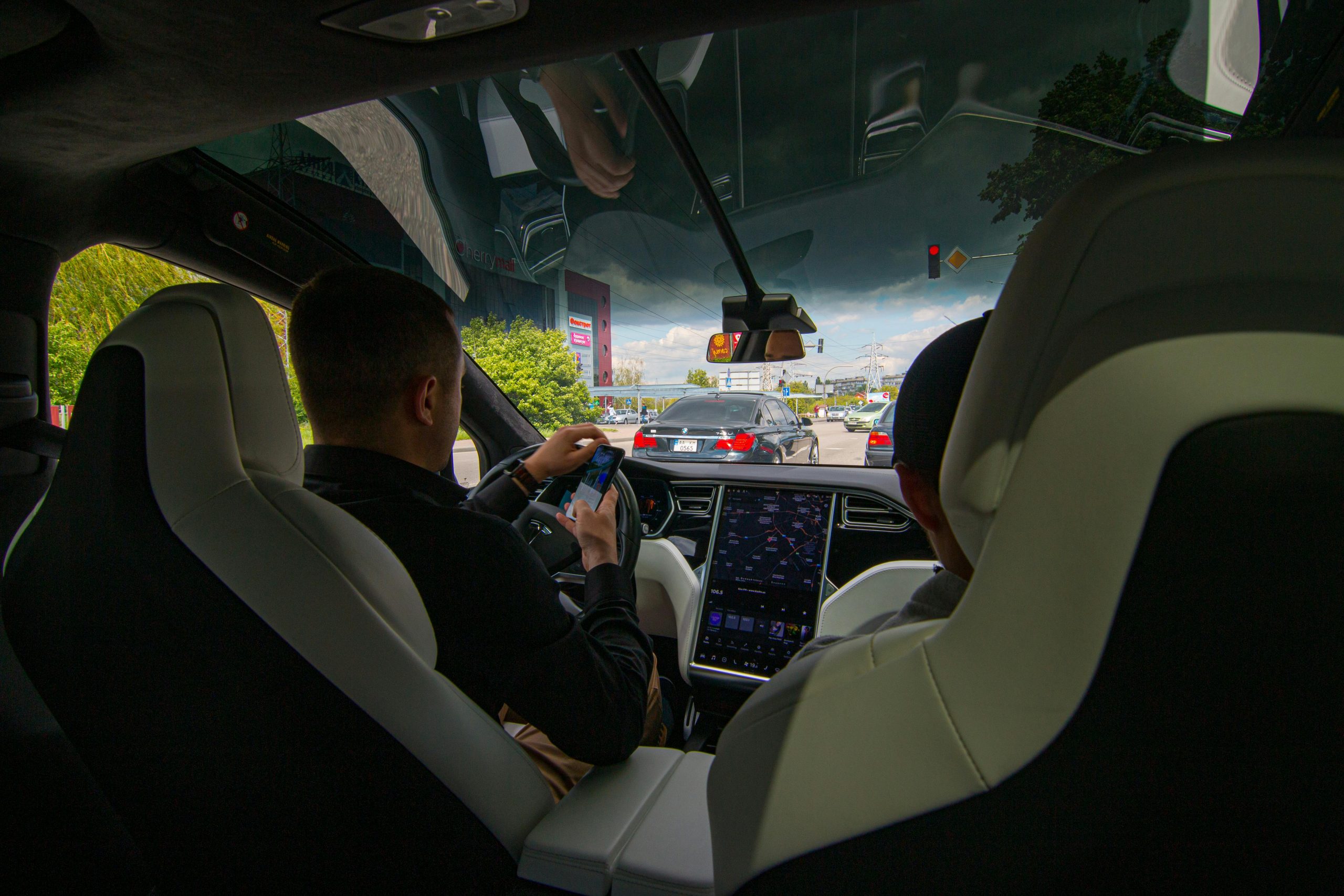
A car that is out of tune will never get good gas mileage. If your engine is misfiring or your sensors are dirty, the computer will often default to a “rich” fuel mixture (using more gas than necessary) to keep the engine from stalling.
- Fix the “Check Engine” Light: Many people ignore this light if the car feels like it is driving okay. However, a faulty oxygen sensor can drop your fuel economy by as much as 40%.
- Replace Air Filters: If your air filter is clogged with dust and hair, your engine has to “gasp” for air. Replacing a dirty filter can improve performance and MPG.
- Spark Plugs: Worn-out spark plugs can cause incomplete combustion. This means you are literally throwing unburnt gas out of your exhaust pipe.
Summary Checklist for Fuel Success
If you want to start saving today, here is a quick checklist to keep in your glovebox:
- Drive gently: No “jackrabbit” starts.
- Check tires: Once a month, cold.
- Empty the car: Remove unnecessary weight.
- Combine chores: One long trip is better than three short ones.
- Watch the speed: Keep it steady and use cruise control on the flats.
Final Thoughts for the Modern Driver
Learning how to save gas while driving is a skill that stays with you for life. Whether you drive a classic gas-guzzler or a modern hybrid, these principles of physics and mechanics still apply. It is about being a mindful, proactive driver rather than a reactive one.
The next time you get behind the wheel, try just one or two of these tips. You might be surprised at how quickly they become second nature. Over time, those saved pennies turn into dollars, and those dollars turn into a nice vacation or a boost to your savings account. Safe driving and happy saving!