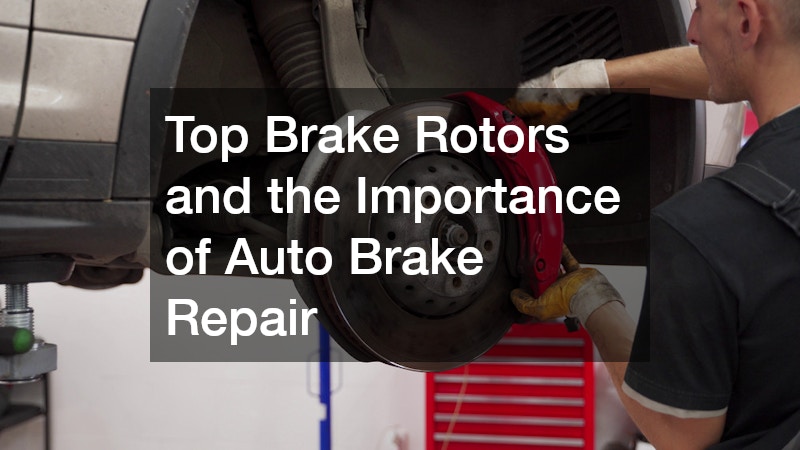
Brake rotors are a critical component of any vehicle’s braking system, directly impacting stopping power, safety, and overall performance. Selecting the right type of rotor—whether ceramic, drilled and slotted, or carbon composite—can enhance braking efficiency and durability under various driving conditions. Regular auto brake repair and maintenance ensure that these components function optimally, prevent costly damage, and maintain consistent vehicle safety. Understanding rotor options and maintaining timely brake service is essential for both everyday driving and high-performance applications.
Best Types of Brake Rotors
Ceramic Brake Rotors
Ceramic rotors are known for their ability to withstand high temperatures without warping, making them a strong choice for vehicles exposed to frequent braking. They operate more quietly than many metallic alternatives and generate less brake dust, which helps maintain cleaner wheels.
Although ceramic rotors typically come at a higher upfront cost, they reduce brake pad wear and often provide smoother, more consistent braking performance over time.
These rotors are best suited for light to medium-duty vehicles, particularly those used for commuting or city driving. Their durability and low noise output make them appealing for drivers who value comfort and longevity. While not ideal for heavy-duty trucks or extreme towing applications, ceramic rotors offer a balanced solution for most passenger vehicles seeking reliable performance and reduced maintenance frequency.
Drilled and Slotted Rotors
Drilled and slotted rotors are engineered to improve heat dissipation and reduce brake fade during demanding driving conditions. The drilled holes and machined slots allow gases, moisture, and debris to escape, improving contact between the brake pad and rotor surface. This design enhances performance in wet conditions and under repeated hard braking.
However, the modification of the rotor surface can slightly reduce structural strength, making these rotors less suitable for heavy-duty vehicles or extreme stress applications. They may also contribute to quicker brake pad wear compared to solid rotors. When paired with quality pads and maintained through regular auto brake repair inspections, drilled and slotted rotors provide noticeable performance benefits for spirited driving and light performance use.
Carbon Composite Rotors
Carbon composite rotors represent advanced braking technology typically found in high-performance sports cars and racing vehicles. Their lightweight construction reduces rotational mass, improving acceleration and handling. They also offer exceptional heat resistance, maintaining consistent braking power even under extreme conditions.
Despite their advantages, carbon composite rotors are significantly more expensive than traditional options and require proper break-in procedures for optimal performance. They are generally unnecessary for standard commuting vehicles but deliver unmatched stopping power for drivers who demand peak braking capability. For specialized applications, they provide long-term durability and performance that conventional rotors cannot match.
When to Repair or Replace Brake Components
Signs of Brake Wear
Routine inspection is essential to maintaining brake performance. Common warning signs include squeaking or grinding noises, vibration or pulsing in the brake pedal, and the vehicle pulling to one side during braking. These symptoms may indicate worn pads, uneven rotor surfaces, or alignment issues within the braking system.
Dashboard warning lights, reduced responsiveness, or a soft brake pedal can also signal the need for immediate auto brake repair. Addressing these issues early prevents further component damage and protects overall vehicle safety. Ignoring minor symptoms often leads to more extensive and expensive repairs.
Environmental and Driving Factors
Driving conditions significantly influence brake lifespan. Stop-and-go traffic, mountainous terrain, and aggressive braking increase wear on both pads and rotors. Harsh winter climates and exposure to road salt can also accelerate corrosion. In contrast, steady highway driving generally reduces braking strain and extends component life.
Adopting smoother braking habits, maintaining proper vehicle load distribution, and adjusting driving style in poor weather can all help extend brake system longevity. Being mindful of environmental factors supports more predictable maintenance schedules and reduces unexpected repair costs.
Importance of Regular Brake Maintenance
Safety
A properly maintained braking system is critical for preventing accidents and ensuring reliable stopping power in emergencies. Consistent auto brake repair and inspections help maintain compliance with safety standards and provide confidence behind the wheel. Reliable brakes protect passengers, pedestrians, and other drivers on the road.
Performance Enhancement
Well-maintained brakes improve overall driving dynamics by delivering smooth, responsive stopping power. Balanced braking reduces stress on suspension components and supports stable vehicle handling. Whether for daily commuting or performance driving, dependable brakes enhance control and overall driving experience.
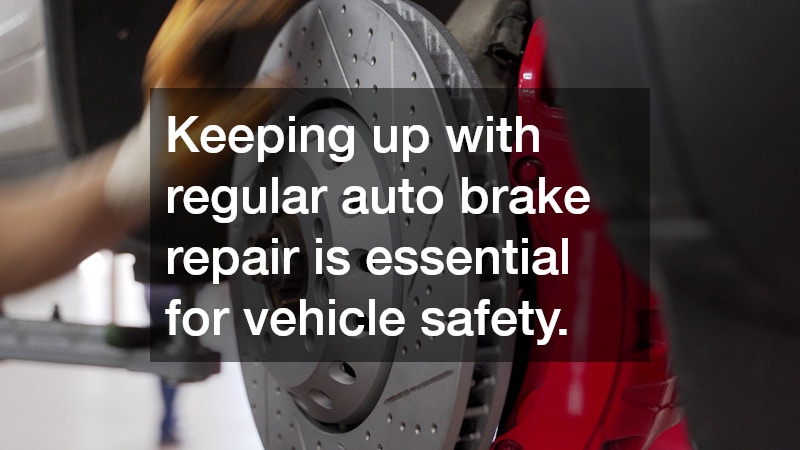
Choosing high-quality brake rotors and keeping up with regular auto brake repair is essential for vehicle safety, performance, and cost efficiency. Properly maintained brakes provide reliable stopping power, reduce wear on other components, and extend the life of the braking system. Investing in suitable rotors and consistent maintenance not only protects the vehicle and its occupants but also supports smoother handling and long-term reliability on the road.